
Free in-home measure and quote - PGT, CGI and CWS impact lines compared on your actual openings, style by style
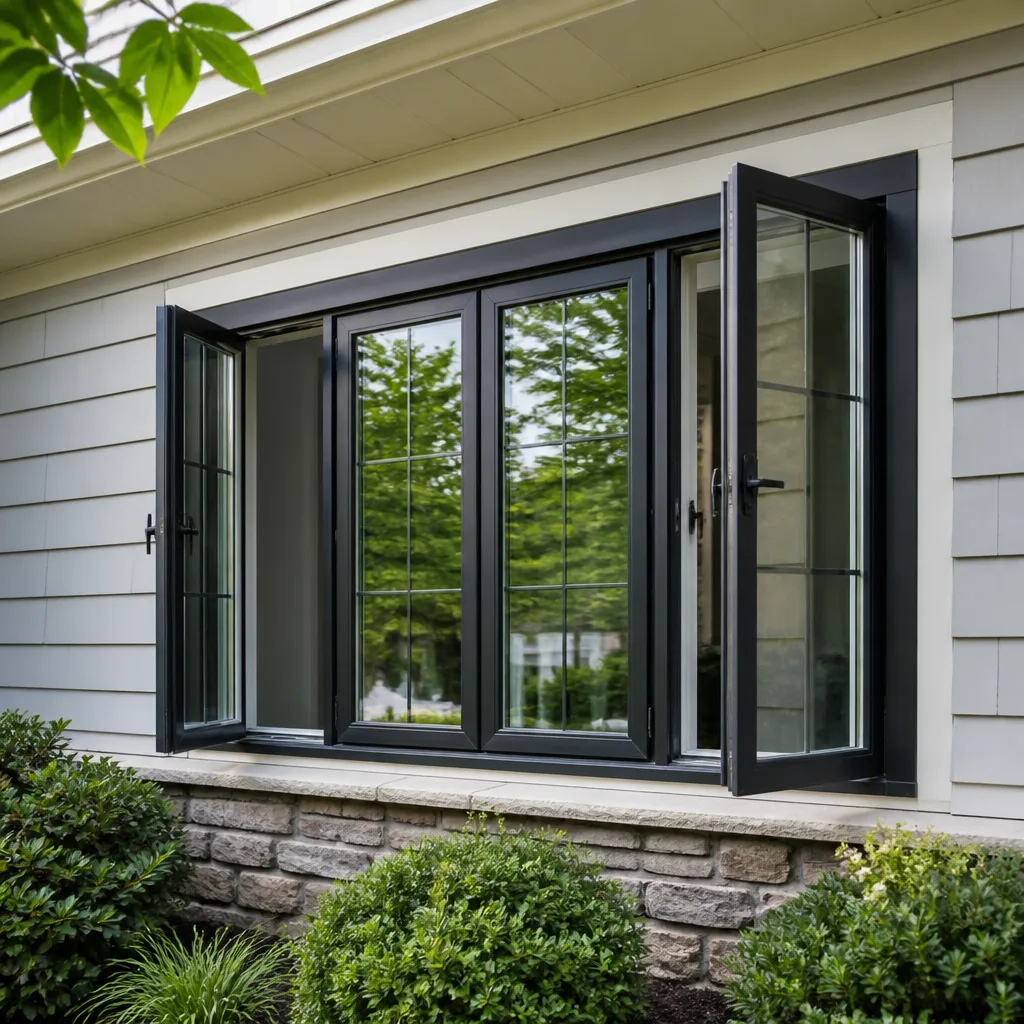
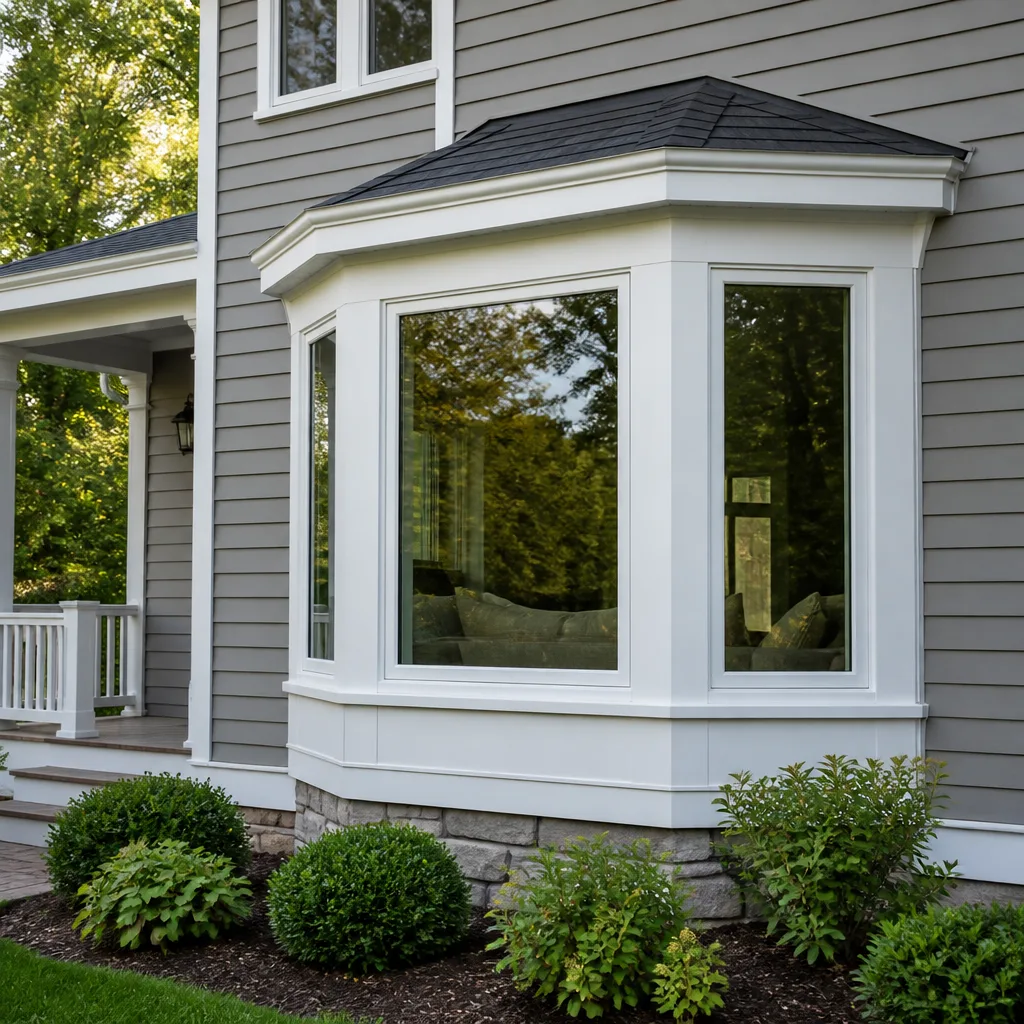
Sliding glass doors
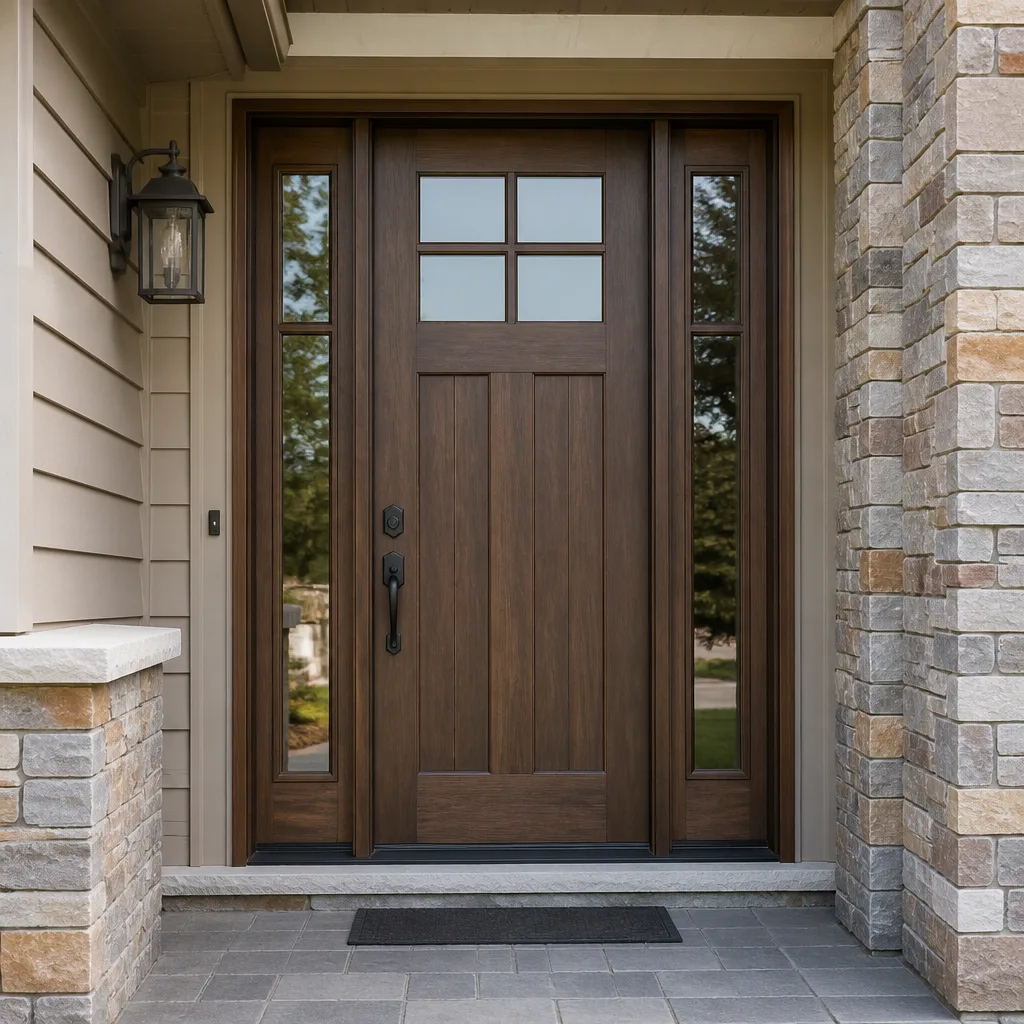
Impact garage doorsPGTCGI
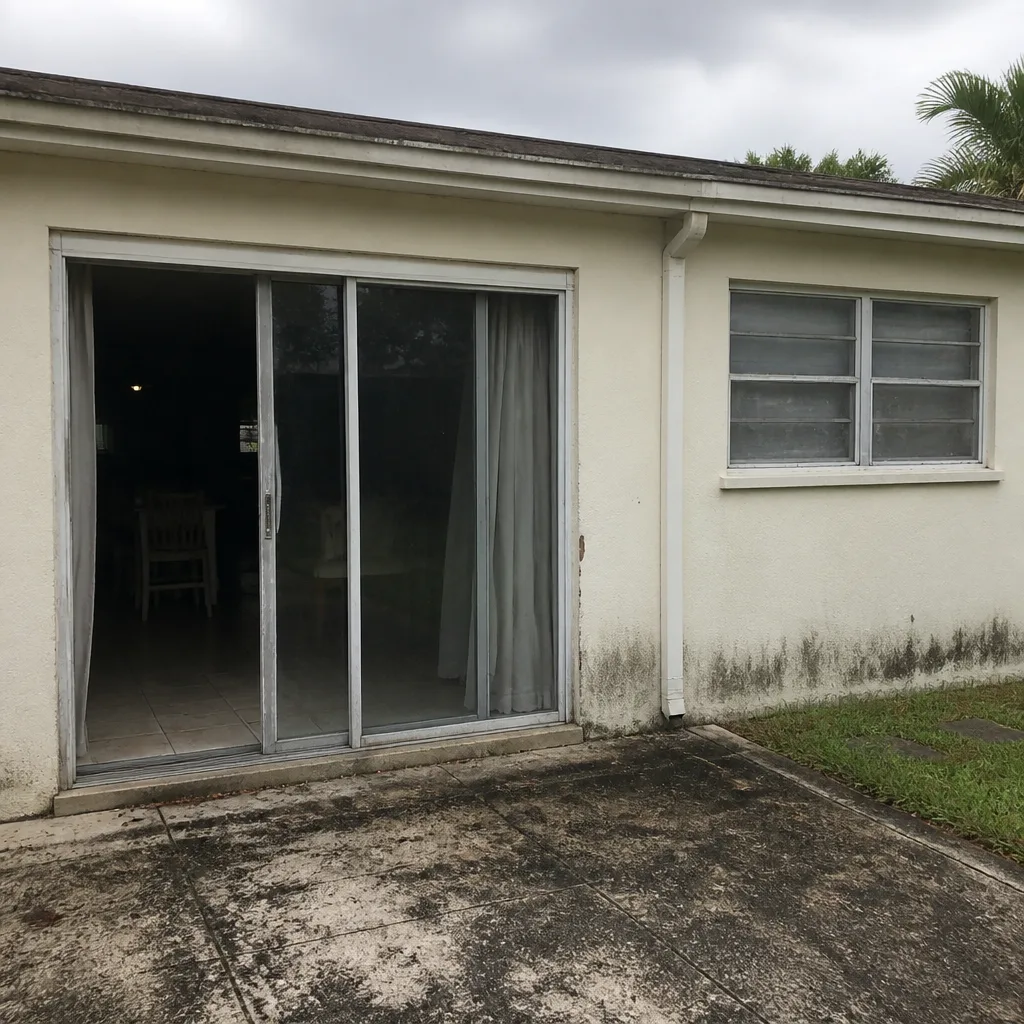 Before
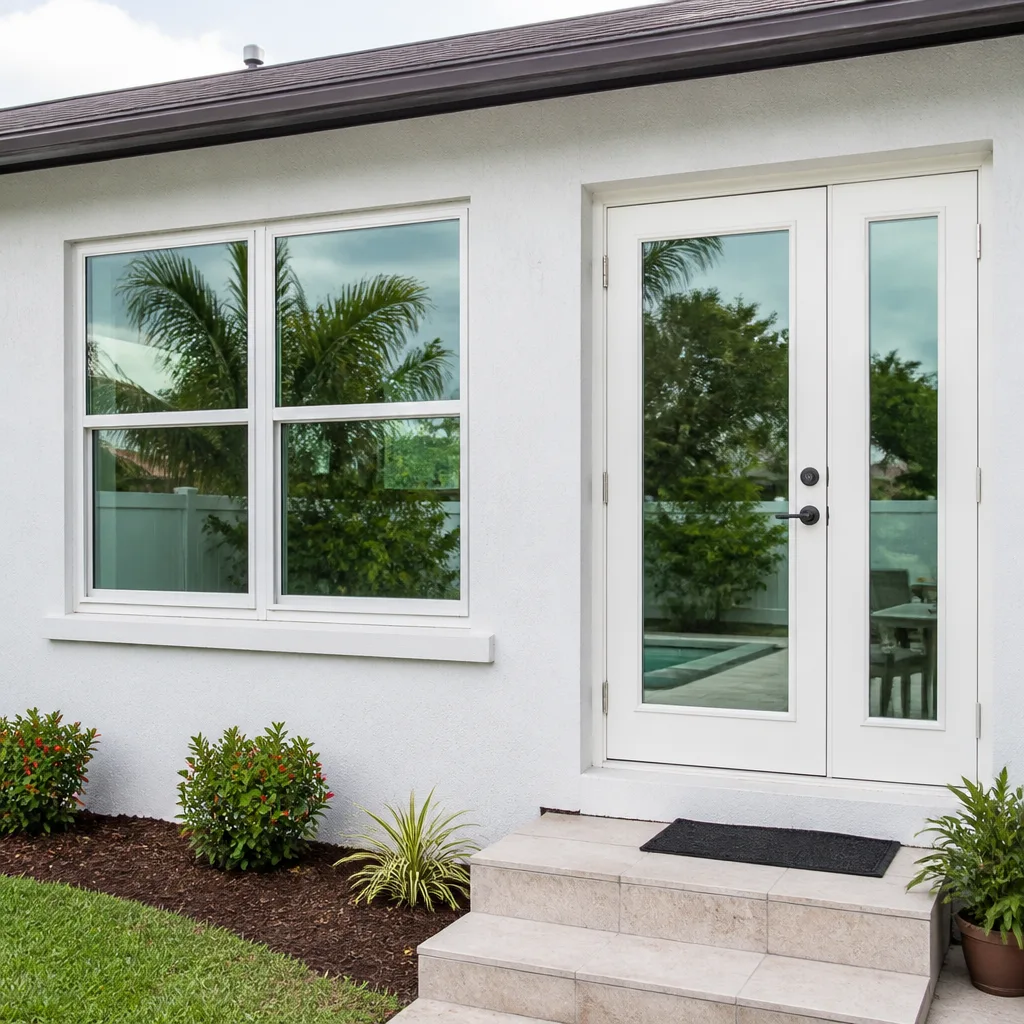 After
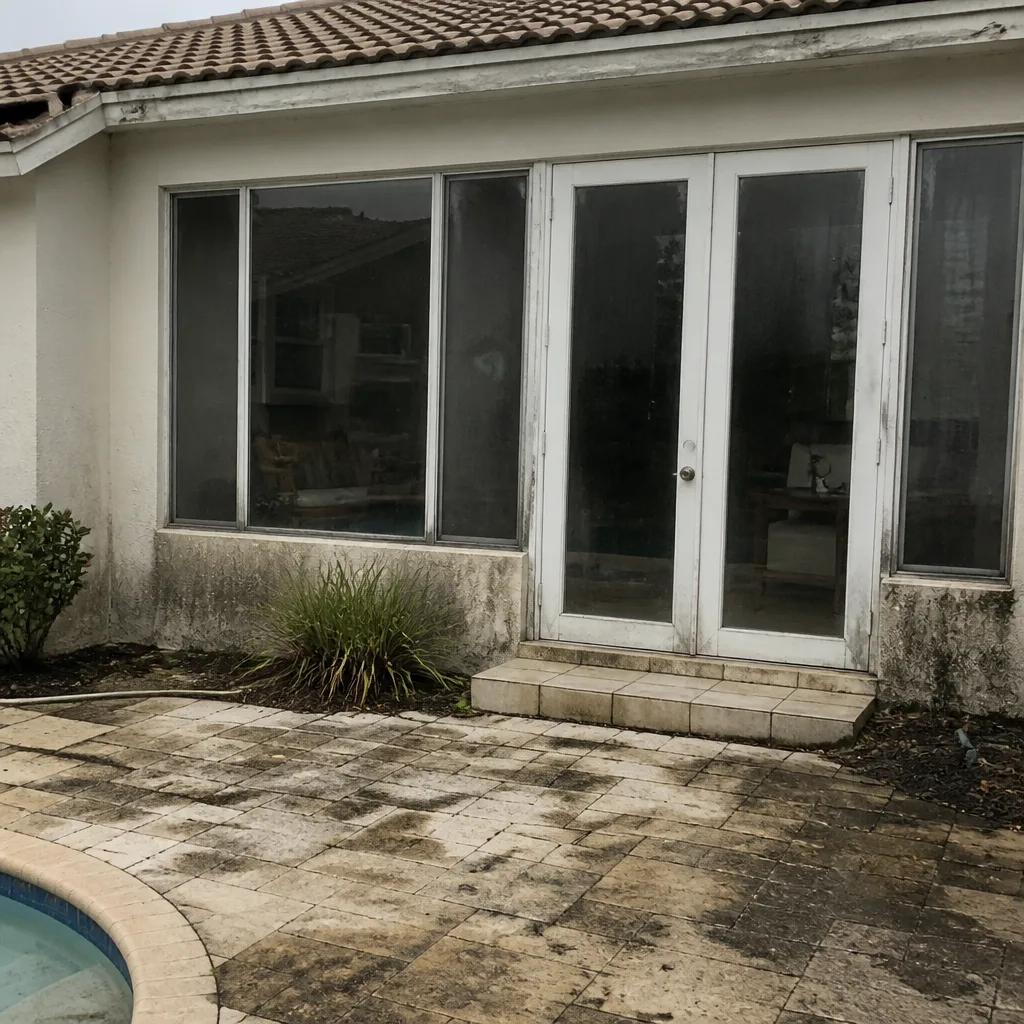 Before
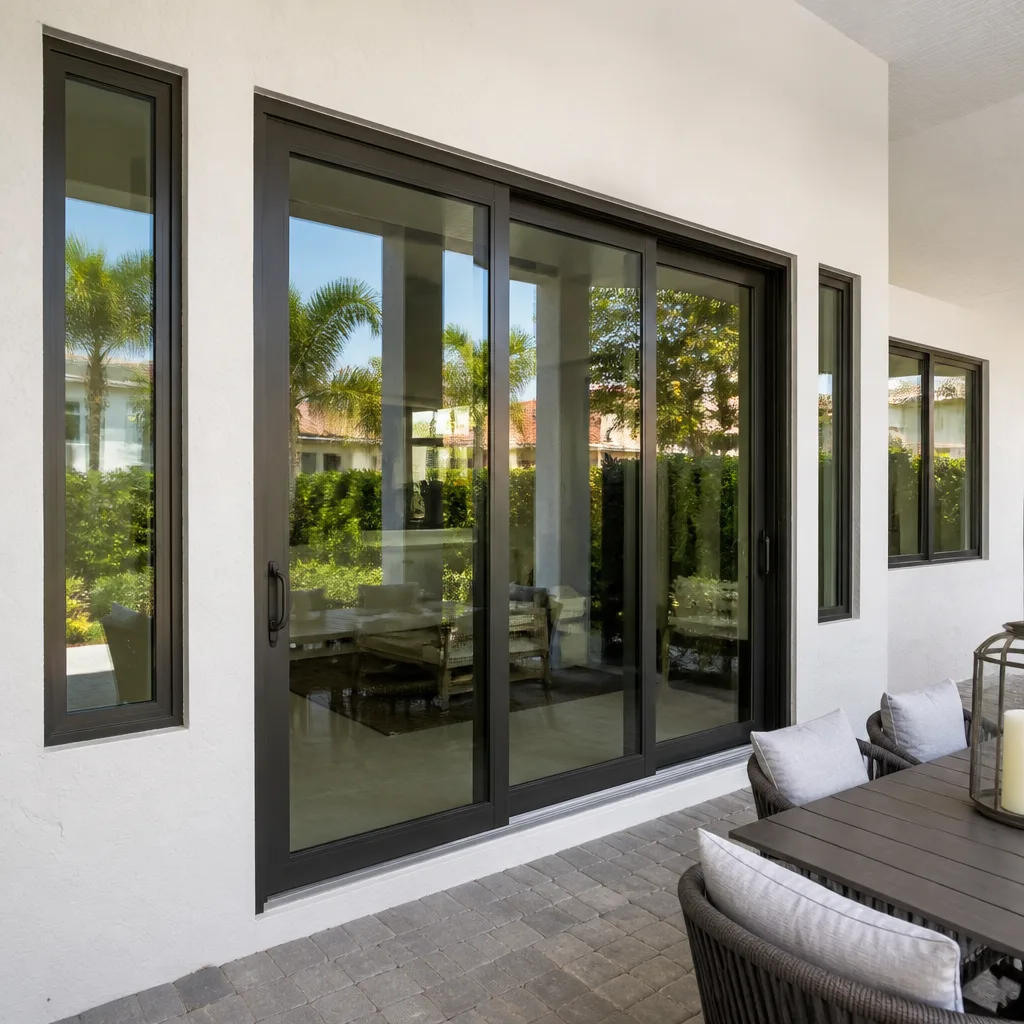 After
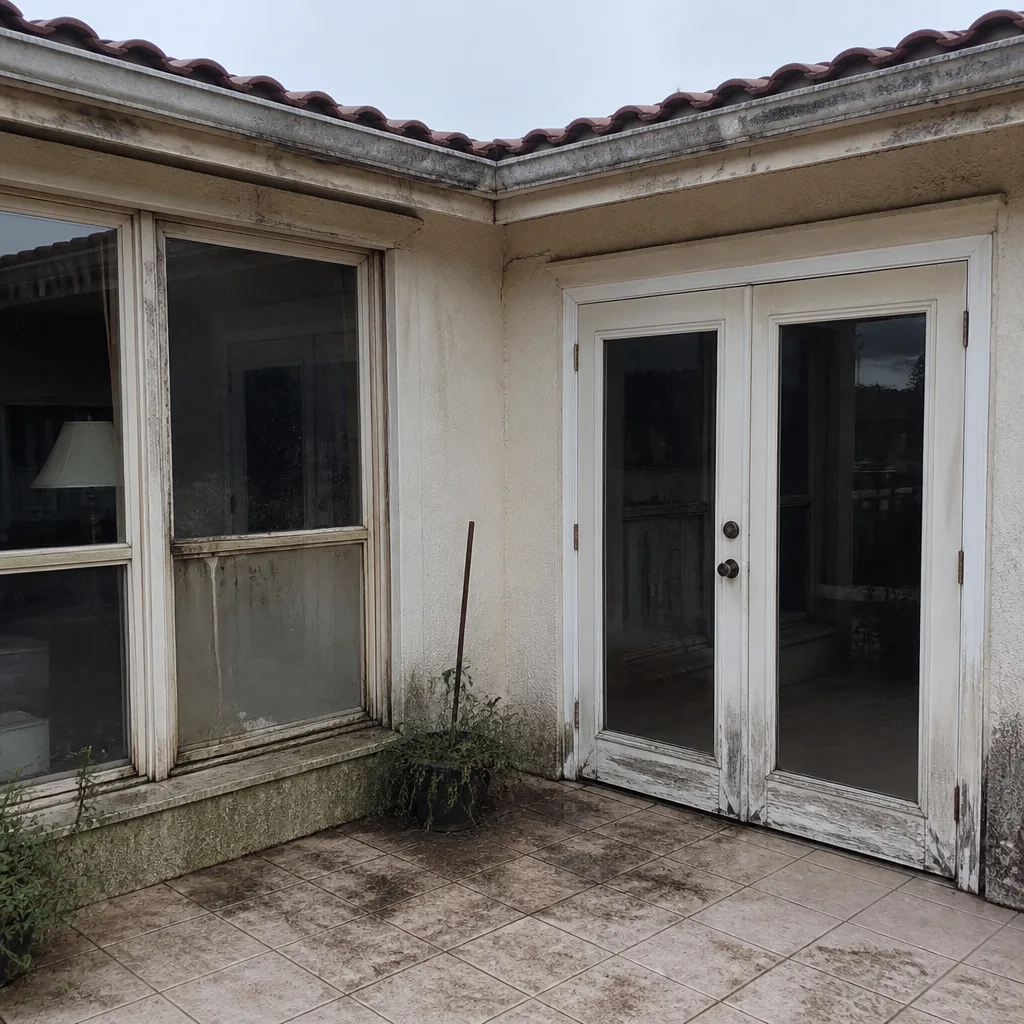 Before
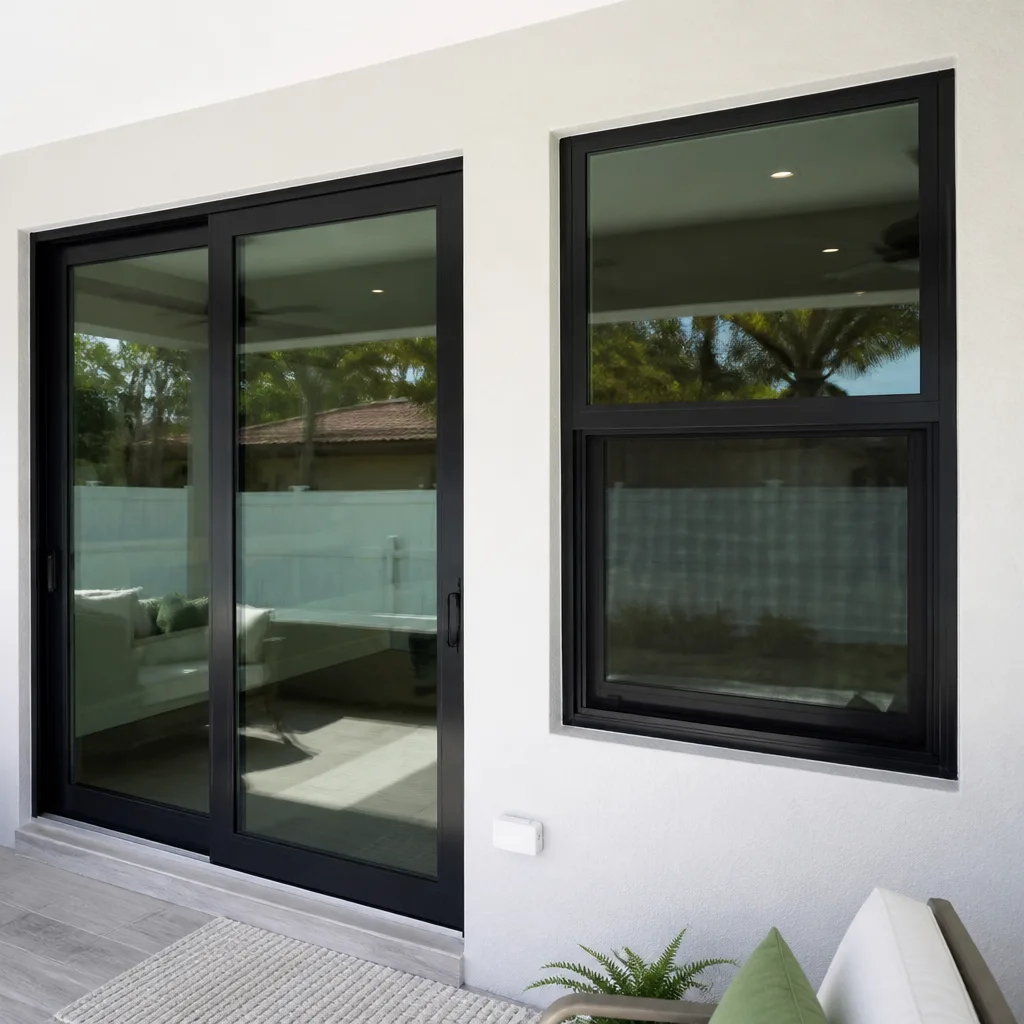 After
What Is a Miami-Dade NOA? The Short Answer for West Palm Beach Homeowners
A Miami-Dade Notice of Acceptance (NOA) is a product approval document proving that a specific window or door model and its anchoring system have passed Florida’s strictest hurricane testing standards for the state’s High Velocity Hurricane Zone. If you’re replacing windows or doors in West Palm Beach, you’re required to use products carrying either a Miami-Dade NOA or a Florida Product Approval (FL number), because Palm Beach County enforces the same wind-borne debris requirements that Miami-Dade does. Without the right NOA, your permit gets denied, your insurance discount evaporates, and your opening is not code-compliant. Call (561) 264-1279 if you’re holding a quote and want to know whether the listed product actually carries a valid NOA before you sign.
We’ve spent years explaining this to homeowners in Flamingo Park, Northwood, and El Cid who inherited paperwork from a previous contractor that didn’t hold up at the building department. The NOA is not a formality. It’s the document that says the window was tested as a complete system, glass and frame and fasteners together, against wind-driven rain and a 9-pound 2×4 traveling at 34 miles per hour. Products that carry a Miami-Dade NOA have passed the most demanding standard in the state, which is why Palm Beach County’s building officials accept them without additional engineering review.
Why an NOA Matters More in West Palm Beach Than Inland Florida
West Palm Beach sits on the western shore of Lake Worth Lagoon with direct Atlantic hurricane exposure. The entire city falls within Palm Beach County’s wind-borne debris region, with a design wind speed exceeding 160 miles per hour on a 3-second gust. That is not a number on a spec sheet. It’s the number that decides whether your window holds during a storm or becomes a hole in the wall.
Here’s the part most homeowners don’t hear until they’re three weeks into a project: Florida Building Code requires every window and door opening to use either a tested impact-rated product or an approved hurricane protection system. There is no waiver pathway for residential replacement work in West Palm Beach. You cannot install a standard window and call it a day, even if the old one lasted forty years. The code changed, the wind maps changed, and the insurance carriers changed right along with them.
And that’s where the NOA becomes more than a building department concern. Florida’s insurance market has made impact-rated replacement an effective mandate across West Palm Beach and most of Palm Beach County. Citizens Insurance and private carriers have been issuing non-renewal notices and steep premium increases to policyholders who cannot document wind mitigation upgrades. A Miami-Dade NOA is part of that documentation. When you submit your wind mitigation inspection after a window replacement, the inspector verifies that the products installed carry the right approval numbers. If they don’t, the credits don’t apply, and the rate relief you were counting on doesn’t come through.
NOA vs. Florida Product Approval: What’s the Difference, and Which One Do You Need?
Both documents serve the same purpose in Palm Beach County, but they come from different testing and approval pathways. A Miami-Dade NOA is issued by Miami-Dade County’s Product Control Division after testing at an approved laboratory under the High Velocity Hurricane Zone protocol. A Florida Product Approval is issued by the Florida Building Commission and applies statewide. The testing is similar. The paperwork is different.
For a homeowner in West Palm Beach, the practical answer is this: either approval works, as long as the product is approved for the specific use it’s being installed for. The confusion usually starts when a contractor quotes a window with an FL number but the homeowner’s insurance agent asks specifically for a “Miami-Dade NOA.” In our experience, that request is shorthand for “impact-rated and documented.” What matters is that the product carries the approval number, the anchoring details match the tested assembly, and the permit application lists the correct numbers for the building department to verify.
If you’re sorting through a quote and the approval numbers don’t match the product name on the line item, something is off. It’s one of the most common reasons we get called in to take over a project that stalled at permitting.
What an NOA Actually Covers (and What People Misunderstand About It)
An NOA covers a window or door model plus its anchoring system as a complete, tested assembly. The important word there is “assembly.” A window can pass every impact test in the lab, but if the installer anchors it with different fasteners than the ones used in the test, the NOA doesn’t cover what ends up in your wall. That’s a distinction building inspectors in West Palm Beach take seriously, and it’s one of the reasons a cheap labor quote can end up costing more than the product itself when the inspection fails.
Here’s what a valid NOA tells you, in plain terms:
- The product passed both large-missile and small-missile impact testing under the High Velocity Hurricane Zone protocol, meaning it’s rated for the ground level and upper floors of a home in West Palm Beach.
- The product passed cyclic pressure testing that simulates the repeated battering of a hurricane, not just wind speed on a graph.
- The anchoring system, including the specific fasteners and their spacing, was tested as part of the assembly. You can’t swap in whatever screw is on hand and keep the approval.
- The product passed water infiltration testing at the tested design pressure. This is a bigger deal in West Palm Beach than most people realize, because horizontal rain is not a theoretical concern during a storm off the Atlantic.
- The manufacturing location, brand name, and product series are listed on the document. If the window on the invoice doesn’t match the NOA by name and series, the approval doesn’t apply.
An NOA is not a license, and it is not a guarantee that any installer will set the window correctly. It is a product approval tied to specific installation details. The best NOA in the state won’t save a window that was set out of square in a rough opening that should have been corrected first. If it is not square, plumb, and sealed, it is not done.
What Should a Homeowner Actually Look for on an NOA?
Most homeowners never read the NOA. They see the logo, they see a number, and they assume the rest is handled. Here’s what we check, line by line, before we bring a product into a customer’s home in West Palm Beach:
- The product series name and description must match the window or door on the quote. Not the brand. The series. Manufacturers test specific product lines, and an approval for the manufacturer’s commercial storefront line doesn’t cover their residential casement line.
- The framing material on the NOA should match the product you’re considering. If the NOA covers an aluminum-framed product and the quote specifies vinyl, that’s a red flag.
- The glazing makeup listed on the NOA must reflect the glass you’re paying for. Impact ratings don’t transfer between single-pane, laminated, or insulated configurations just because the frame looks the same.
- The anchor spacing and fastener type on the NOA should match the installation details in the permit documents. When a building inspector in West Palm Beach asks for the NOA, they’re checking this against the field work.
- The expiration or revision status matters. NOAs get updated, superseded, and occasionally suspended. An approval from 1998 that was superseded in 2010 is not valid for a new installation today.
If a contractor cannot produce the NOA on request, or the document refers to a product that doesn’t match the line item, walk away or get a second opinion. We’d rather see a homeowner ask too many questions than find out at inspection that the whole project is stalled.
The West Palm Beach Twist: Historic Districts, Insurance, and the NOA Question
One of the things we deal with constantly in West Palm Beach is the interaction between the building code and the city’s historic preservation requirements. In the Flamingo Park and El Cid Historic Districts, the City’s Historic Preservation Board must approve any exterior window replacement that alters the visible profile. A homeowner in El Cid who needs impact windows typically has to specify simulated divided-light impact windows that replicate the original muntin patterns. Standard impact casements won’t clear the board.
That means the NOA on the window itself is only half the documentation. The product has to meet Miami-Dade’s testing standard and the historic board’s aesthetic standard at the same time. Some impact products with simulated divided lights have both approvals. Some don’t. A contractor familiar with the El Cid and Flamingo Park review process knows which spec sheets to pull and which product lines to recommend before the first quote is written. Contractors who’ve never worked within the historic review process in West Palm Beach tend to find out about the approval lag time mid-project, which adds 6 to 10 weeks and a meaningful cost premium no one budgeted for.
We also see this in the city’s large stock of pre-2002 CBS homes, especially in neighborhoods like Flamingo Park and Northwood. Many of those houses still carry original jalousie windows and single-pane sliders that are neither impact-rated nor energy-code compliant. Replacing them isn’t just a curb-appeal choice anymore. The insurance carrier wants documentation of wind mitigation upgrades, and the bank wants to see a clean roof and envelope before it approves a refinance or a HELOC. Every window and door job in West Palm Beach is simultaneously a building-code project and an insurance-qualifying project. An NOA-backed product handles both.
How We Apply the NOA Standard on Every Job
TruePane has been serving West Palm Beach and the surrounding communities. We’ve watched the approval process evolve from paper binders at the building department to searchable databases, and the core requirement hasn’t changed: the product in the wall has to match the product in the test report. When we quote windows or doors, the NOA or Florida Product Approval numbers are listed on the proposal next to each product line. Not “available upon request.” On the document, from day one.
We are an authorized installer for more than a dozen manufacturer lines, including, PGT, and CGI. Each of those manufacturers maintains current Miami-Dade NOA documentation for their impact-rated products. When we present side-by-side quotes, the homeowner sees the product, the price, the approval type, and the warranty language written out. Before the technician leaves the driveway, both manufacturer warranty layers are registered in writing under The Keystone Standard, and the workmanship is covered by our Done Right Promise.
If you have an old NOA from a prior installation and you’re not sure it still applies, or you’ve been told by an insurance agent that you need “Miami-Dade certified” windows and don’t know what that means in practical terms, that’s a conversation we have regularly. We’ve been through enough permit reviews in West Palm Beach to know what the inspectors are looking for and how to head off a failed inspection before it happens.
And if it’s an older product line, sometimes the dead giveaway is the glass itself. Mr-Glass, ECO Window Systems, and other Florida manufacturers have gone through multiple NOA revisions over the years, and a model that was current in 2012 may have been superseded twice since. Worth checking before you invest in anything.
Frequently Asked Questions About Miami-Dade NOAs
A Miami-Dade NOA is a Notice of Acceptance issued by Miami-Dade County that documents a specific window or door product and its anchoring system passed High Velocity Hurricane Zone impact testing. It applies to products installed in wind-borne debris regions, which includes all of West Palm Beach and Palm Beach County. Without it, a replacement window or door doesn’t meet code for permitted residential work here.
West Palm Beach requires windows and doors that meet either Miami-Dade NOA or Florida Product Approval standards under the current Florida Building Code, and both are accepted as long as the product is approved for the specific application. A product with only a generic “hurricane rated” claim and no approval number from either pathway will not pass permit review in Palm Beach County. If you’re quoted something without an approval number, call (561) 264-1279 and we’ll help you verify it before you spend any money.
Your permit will be rejected or your inspection will fail, your insurance carrier can deny wind mitigation credits or accelerate a non-renewal, and you may be required to remove and replace the windows at your own cost to bring the home into code compliance. We see this most often when someone tackles a small opening with a product they found online or a contractor who normally works in a county without wind-borne debris requirements. It is a very expensive shortcut to undo in West Palm Beach.
Impact-rated windows that carry a valid Miami-Dade NOA or Florida Product Approval typically run between $1,100 and $2,400 per opening installed in West Palm Beach, depending on the manufacturer line, frame material, size, and the complexity of the anchoring on the existing home. Historic District properties with required simulated divided lights run higher. We quote side by side on paper so the exact NOA numbers and prices are on the document, not just on a verbal estimate.
Get Your NOA Questions Answered Without the Runaround
If you’d rather have it looked at, TruePane Windows & Doors offers a no-pressure assessment in West Palm Beach. We’ll check the approval numbers, look at the openings, and tell you plainly what’s code-required and what isn’t. Call (561) 264-1279 and a live person will answer. That’s how it’s been for years, and that’s how it’ll be.
For related guidance, see our home page or the full breakdown of Impact Windows & Doors in West Palm Beach. You can also ask us about the manufacturer lines we’re authorized to install and which ones are best matched to your home’s specific construction.
Written by TruePane Windows & Doors, TruePane Windows & Doors at TruePane Windows & Doors, serving West Palm Beach, FL.
Six Reasons Homeowners Choose TruePane Windows & Doors
Impact systems engineered to design pressures up to +/-100, matched to your wind zone - your openings hold when the storm arrives.
Low-E insulated impact glass from our manufacturer lines commonly cuts monthly cooling bills 20-30%.
Laminated impact glass shuts out up to 40% of outside noise - traffic, neighbors, weather.
Monitoring services run $30-90 a month. Laminated impact glass resists forced entry around the clock, with no subscription.
Florida homeowners average around 25% savings on the windstorm portion of their policy after protecting every opening - some homes qualify for more.
A full impact package upgrades curb appeal, buyer confidence and appraised value in one project.