
Last updated August 27, 2026
Free in-home measure and quote - PGT, CGI and CWS impact lines compared on your actual openings, style by style
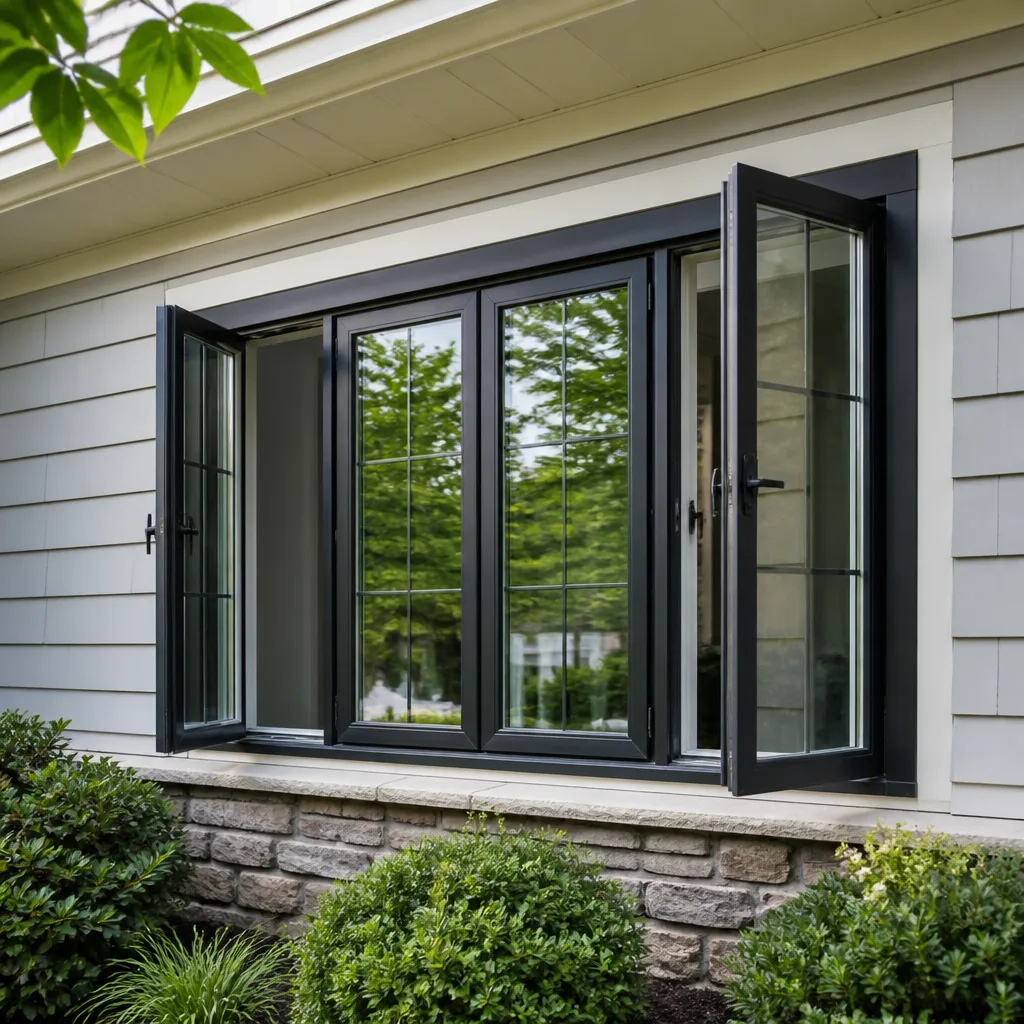
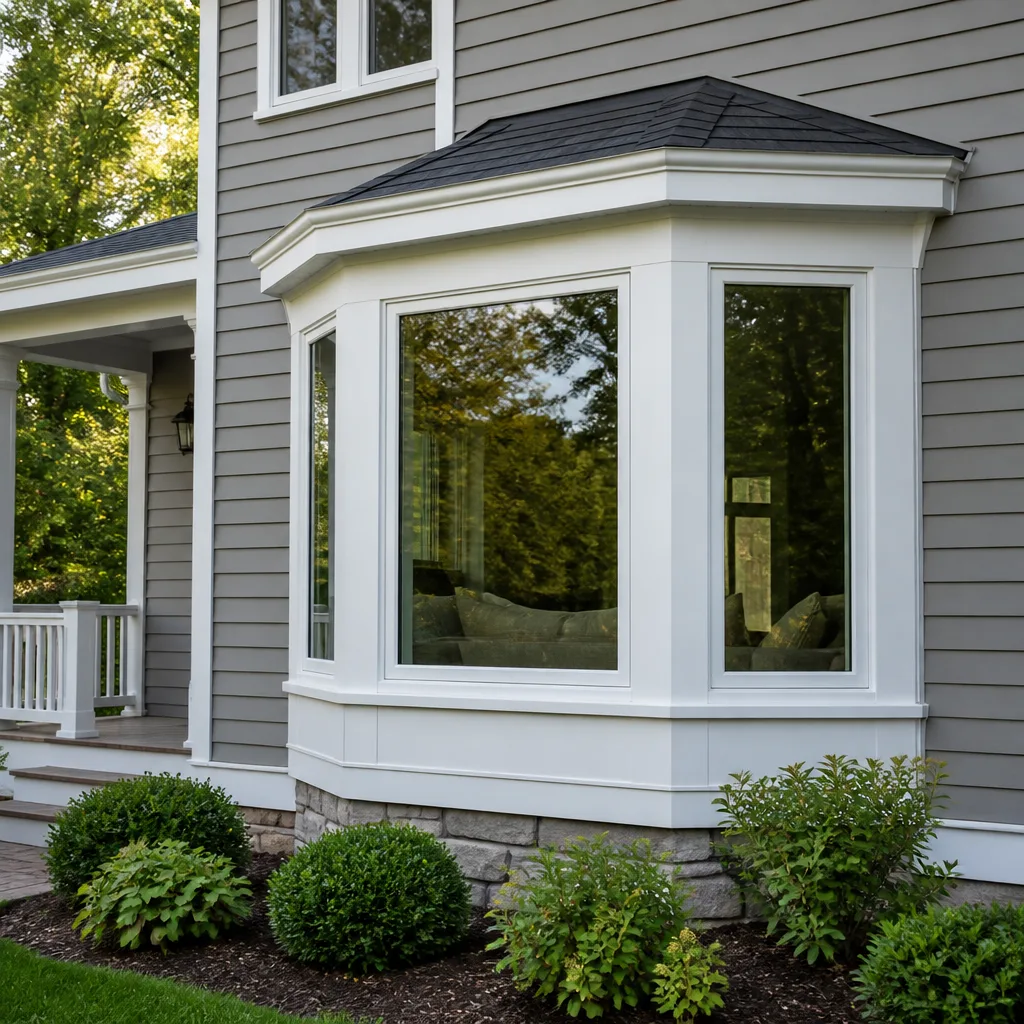
Sliding glass doors
Impact garage doorsPGTCGI
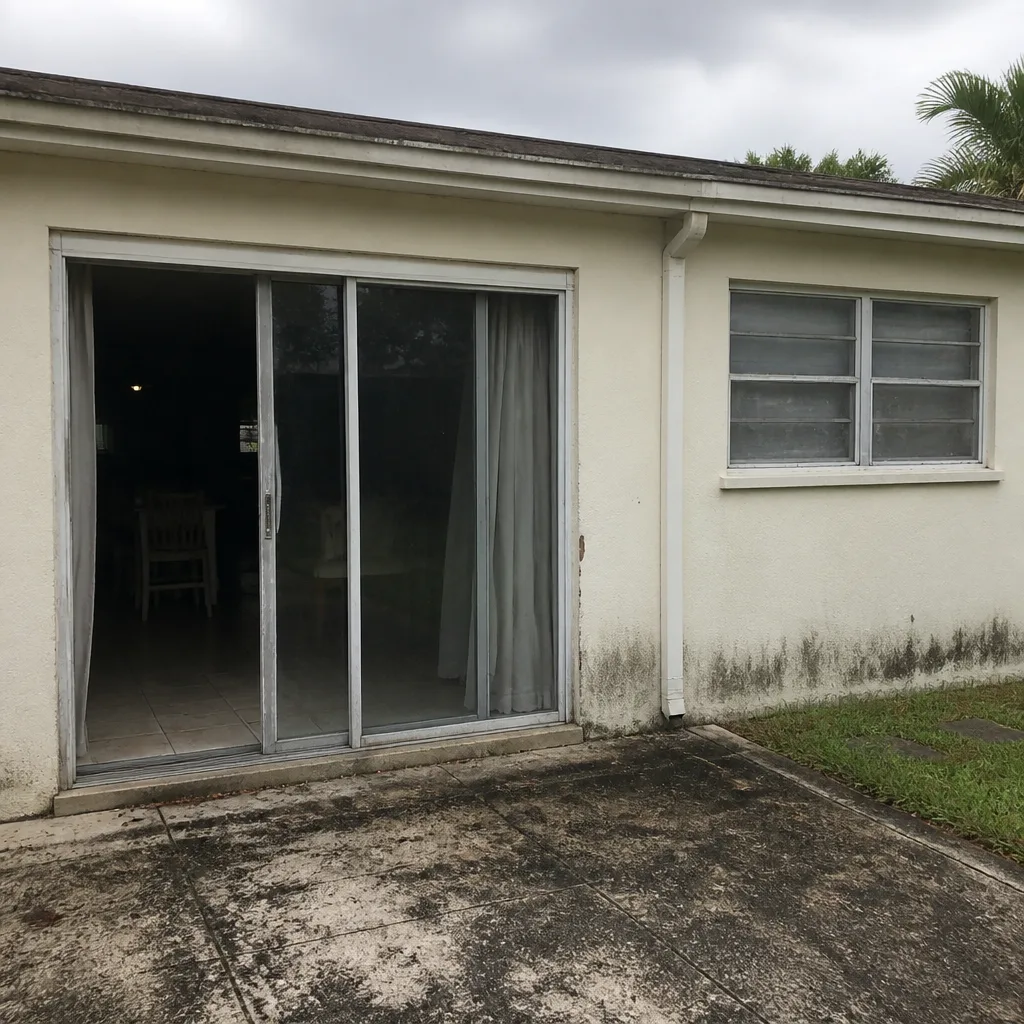 Before
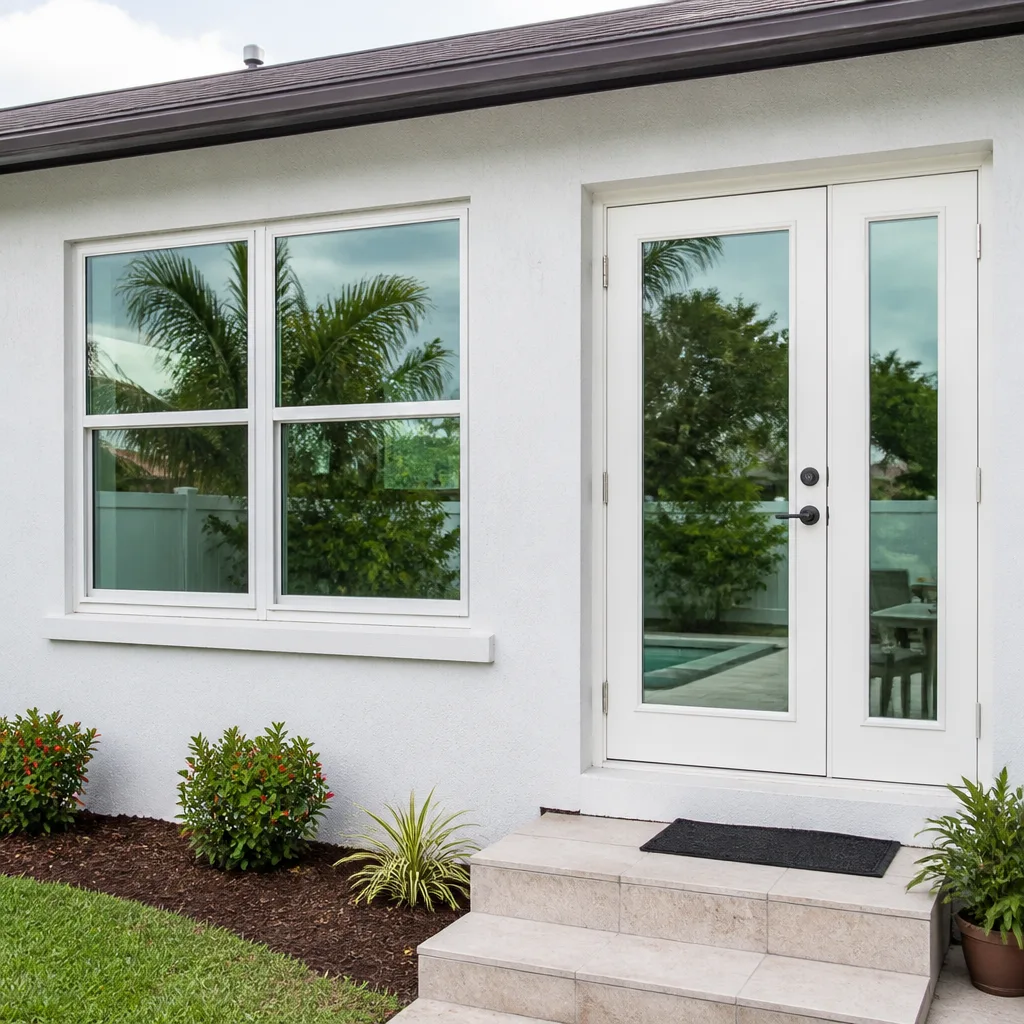 After
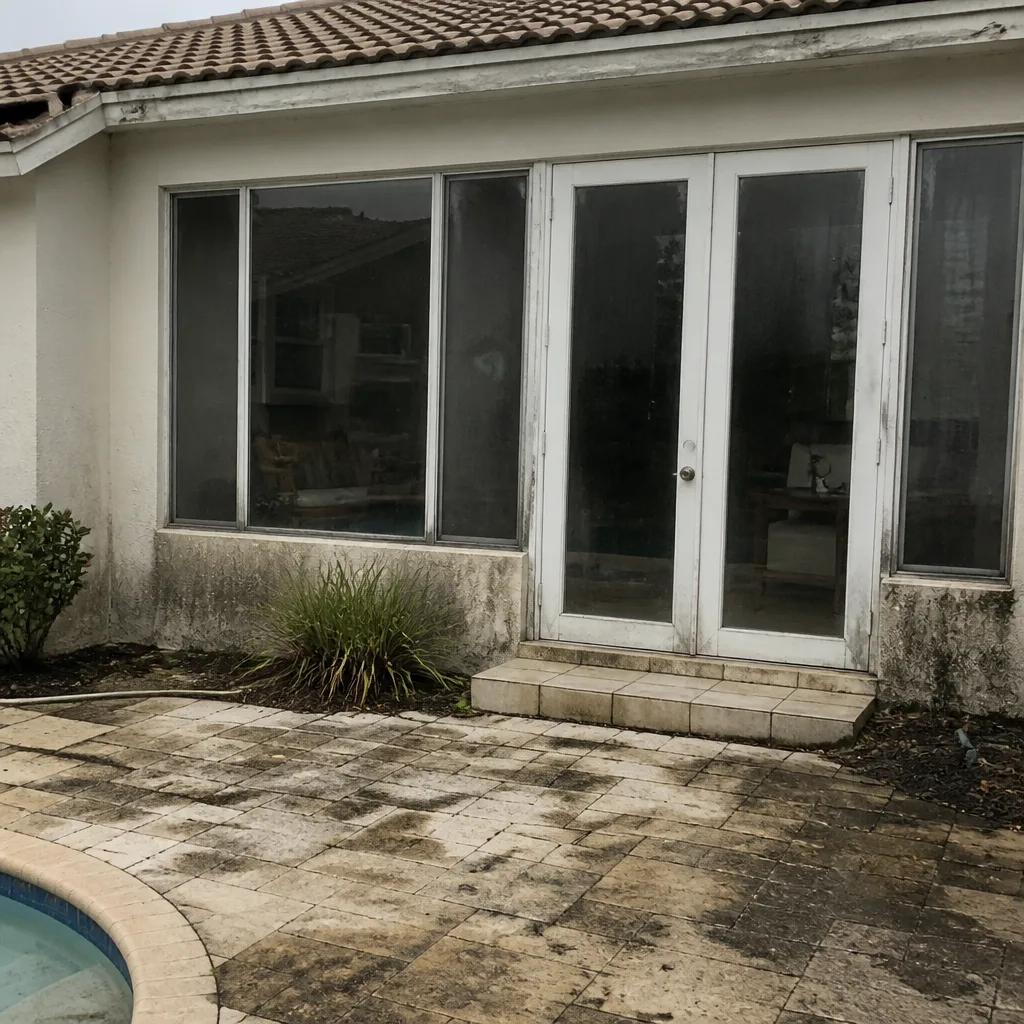 Before
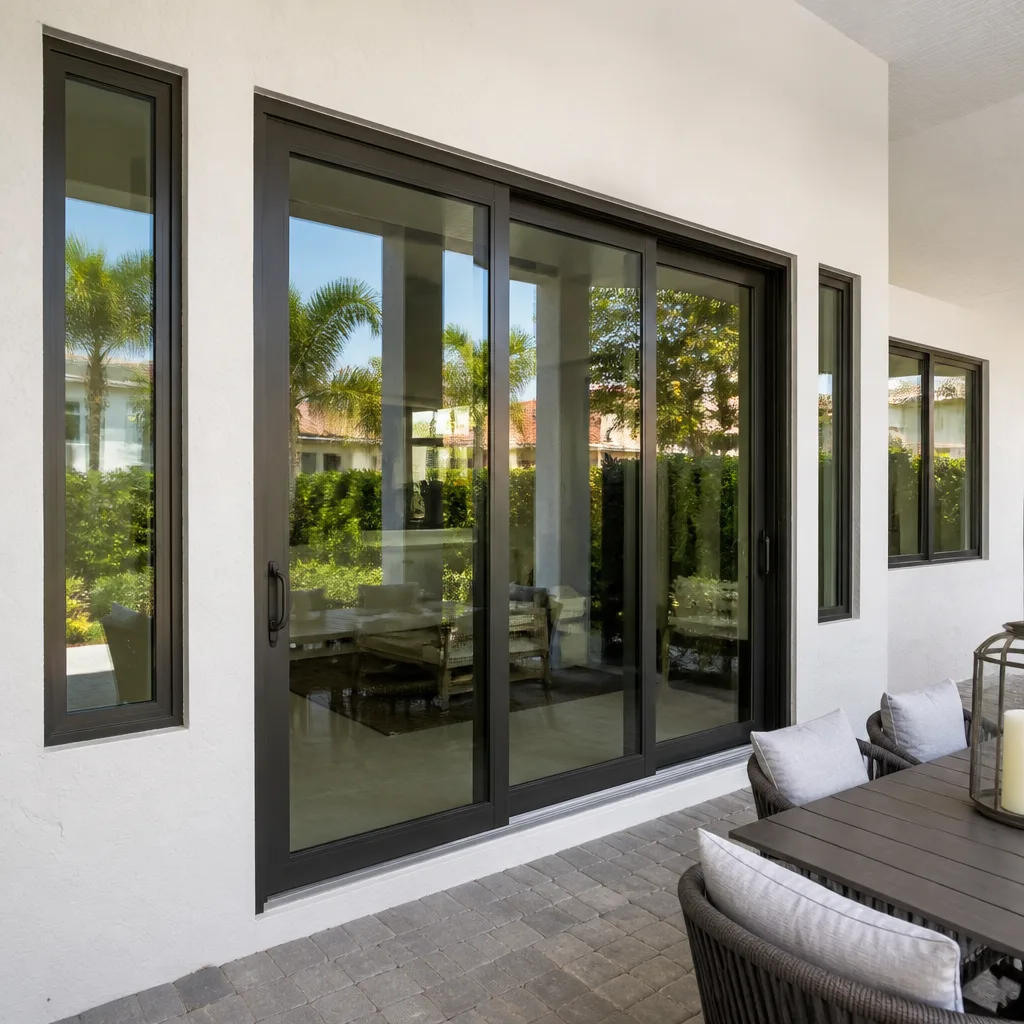 After
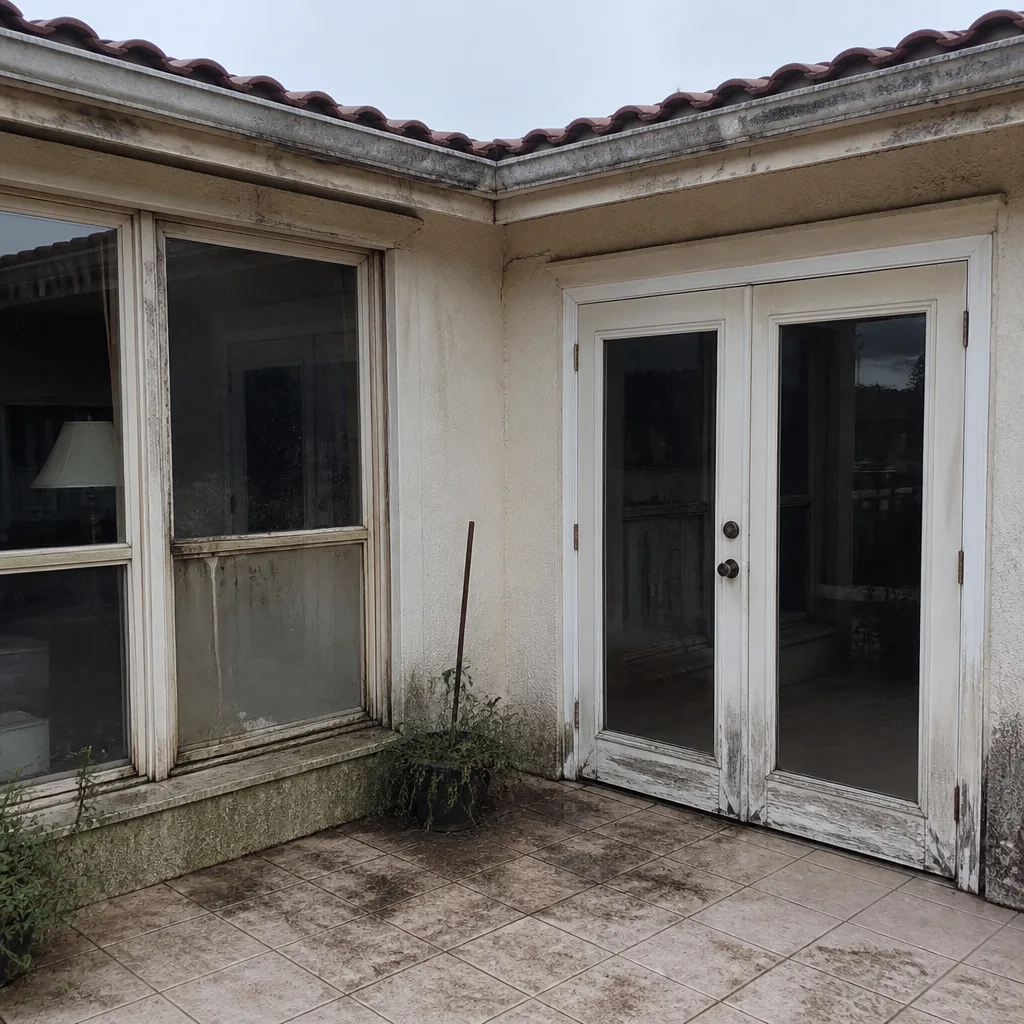 Before
 After
Window Installation Maintenance Checklist for West Palm Beach Homeowners
Most homeowners in West Palm Beach don’t think about their windows until one of two things happens: a July electric bill arrives looking like a car payment, or a hurricane watch sends everyone to the plywood aisle. By then, the failure has usually been building for years. Condensation between panes, a sash that sticks, weatherstripping that’s turned brittle in the salt air, caulk that’s pulled away from the stucco. None of it fixes itself, and all of it compounds quickly in our climate. This guide walks through a working maintenance checklist for window installations in West Palm Beach, what to look for season by season, what costs what, and when the right move is a repair call versus a full replacement.
Quick Answer
A window installation maintenance checklist for West Palm Beach homeowners should cover four things each year: seal and caulk inspection around every frame, track and roller cleaning, weatherstripping and hardware checks, and visual confirmation that drainage paths (weep holes) are clear. In our coastal climate, plan for two inspections a year - once before hurricane season and once after - and expect most professionally installed windows to last 15 to 25 years with proper upkeep, with impact-rated units from makers like PGT and CGI often outlasting standard builder-grade models. If you see persistent fogging between panes, daylight around a shut sash, or a window that won’t stay open, that’s a repair call, not a maintenance item.
Table of Contents
- What West Palm Beach Weather Actually Does to Windows
- The Seasonal Maintenance Checklist: What to Inspect and When
- Signs a Window Installation Is Starting to Fail
- Maintenance for Impact Windows and Doors
- Hurricane Season Preparation for Windows
- What Neglect Costs: Repair vs. Replacement Numbers
- Common Mistakes to Avoid
- When to Call a Professional
- Frequently Asked Questions
- The Bottom Line
What West Palm Beach Weather Actually Does to Windows
We’ve worked on homes from Northwood Hills to Southland Park to the communities along Flagler Drive, and the weather pattern is the same everywhere in West Palm Beach: heat, humidity, salt, and storm cycles. Each one attacks window installations in a different way, and most homeowners only notice the heat part when the AC bill spikes.
Heat is the silent problem. In West Palm Beach, exterior surfaces can reach 140 degrees and more in direct sun. The aluminum frames common in older homes expand and contract daily, which slowly breaks the seal between the frame and the caulk line. Vinyl frames do better, but even high-quality vinyl shifts. That expansion cycle is why a window that sealed tightly when it was installed can develop drafts within a few years if the caulk wasn’t laid properly at the start. We regularly see gaps in west-facing windows on homes in the Villages of Palm Beach Lakes that the homeowner never noticed because the gap opens only during the hottest part of the afternoon.
Humidity does two things. First, it finds every micro-gap in weatherstripping and pulls moisture into the walls and frame pockets. Second, it encourages mildew on tracks and sills, especially on windows that are shaded by oaks or on north elevations that stay damp. Salt air, which is heaviest within a mile or two of the Intracoastal, accelerates corrosion on hinges, locking hardware, and roller assemblies on sliding glass doors. We see salt-corroded rollers on patio doors in the Southland Park area within five years of installation if the original hardware wasn’t marine-grade.
Storm cycles are the obvious threat, but the less-obvious issue is wind-driven rain. A window doesn’t need to fail completely to leak. It just needs a small gap in weatherstripping, and a driving rain from the east will find it. Homes in West Palm Beach see this most often on east-facing windows and on windows without overhangs, where rain hits the glass and frame directly.
The practical takeaway is simple: window maintenance in West Palm Beach isn’t optional upkeep. It’s protection for the frame, the wall cavity around it, and the interior of the home. The inspection schedule section below tells you exactly what to check.
The Seasonal Maintenance Checklist: What to Inspect and When
Here is the working checklist we recommend to homeowners in West Palm Beach. It splits the year in two - pre-hurricane season and post-hurricane season - because that’s how our climate actually works. You’ll need about 30 minutes per walkthrough if you move efficiently.
Pre-Hurricane Season (April through May)
- Caulk and seal inspection. Walk every window exterior, inside and out, and look for caulk that has cracked, pulled away from the stucco or frame, or turned chalky. Run a finger along each joint. If the caulk flakes, it’s dried out and should be removed and replaced with a high-quality exterior-grade sealant. In West Palm Beach, east and south exposures fail first.
- Weatherstripping check. Open every operable window and inspect the foam, felt, or vinyl weatherstripping around the sash. Look for flat spots, tears, or material that’s lost its spring. Run your hand along the edges while the window is closed and feel for moving air. Replace any strip that doesn’t rebound when you press on it.
- Track and roller cleaning. Vacuum out all debris from window tracks and sliding door channels. Then wipe them down with a damp cloth. Grit and sand from West Palm Beach streets collect in tracks and grind down rollers over time. For sliding glass doors, remove the screen and clean the bottom track thoroughly, checking that weep holes are not clogged with dirt.
- Weep hole clearing. Weep holes are the small drainage slots on the outside bottom of most window and door frames. If they clog, water pools inside the frame during rain. Use a small stiff brush or compressed air to clear them. This is one of the most overlooked maintenance items and one of the most common sources of window leaks we see in West Palm Beach.
- Glass and seal inspection. Look at each insulating glass unit for signs of moisture between the panes, mineral streaks on the interior glass surface, or any cracks and chips. Even a small chip can spread under heat stress. Note any window that shows early signs so you can monitor it through the summer.
- Hardware lubrication. Lubricate hinges, crank mechanisms, locks, and roller assemblies with a dry silicone spray (not oil-based products, which attract grit). In coastal West Palm Beach, this helps slow salt corrosion. Wipe away excess. If hardware is already showing white corrosion powder, it may need replacement.
Post-Hurricane Season (November through December)
- Post-storm leak check. After a season of wind-driven rain, look for water stains on interior walls around windows, soft drywall, or bubbling paint. These indicate water has been getting past the frame. It’s common for leaks to reveal themselves only under sustained storm conditions, not a typical afternoon shower.
- Seal recheck. Recheck all caulk that was installed in the spring. The heat and UV of a West Palm Beach summer can crack a fresh caulk line if it wasn’t the right product or wasn’t applied to a clean surface.
- Track cleaning after storm debris. Palm fronds, sand, and leaf litter find their way into every opening. Vacuum and wipe tracks again, and re-clear weep holes, which often fill with fine sand after heavy wind events.
- Operation test. Open and close every window slowly, checking for stiffer operation, sagging sashes, or locks that no longer align. A window that was fine in March can bind in December after a season of thermal cycling.
Monthly Quick Check (5 minutes)
- Open and close each window once, feeling for sticking or grinding.
- Visually scan sills for moisture, mildew, or soft spots.
- Confirm that weep holes are not blocked on doors and windows that face the street or landscaping.
Signs a Window Installation Is Starting to Fail
Maintenance catches the slow problems. Installation failure announces itself. Here are the signs we tell West Palm Beach homeowners to watch for, because each one means the window is no longer doing its job the way it was built to.
Fog between the panes. This is the classic failed-seal signature. The desiccant inside the insulating glass unit has been overwhelmed by moisture, and no amount of surface cleaning will fix it. It means the gas fill, usually argon, has leaked out and the window has lost much of its insulating value. In a humid climate like West Palm Beach, a failed seal also leads to mineral haze and streaks that permanently cloud the glass. Repair is replacement of the glass unit (the frame stays).
Drafts you can feel with a wet hand. On a windy day, run a damp hand around the frame of each closed window. If you feel moving air, the weatherstripping has failed or the installation gap was never properly sealed. This is a common issue on older homes in neighborhoods like Flamingo Park, where original aluminum windows have outlived their seals by decades.
Operational problems. A window that’s hard to open, drops when raised, won’t stay in position, or needs two hands to close has a mechanical or alignment issue. On single-hung windows, the constant-force balance springs wear out. On casements, the crank gears strip. On sliders, the rollers flatten. None of these are fixed by cleaning; all of them get worse.
Water on interior sills after rain. This usually means the window’s drainage system (weep holes and internal channels) is blocked or the exterior caulk has failed. If you wipe the water and it comes back after the next rain, the water is also getting into the wall cavity, which invites mold and rots the framing around the opening.
Deteriorating or soft frame material. On wood-frame windows, poking a screwdriver into the lower corners of the frame and sill is the test. If the wood feels soft or yields, rot has set in. In West Palm Beach’s humid climate, wood rot progresses fast once it starts. Vinyl and aluminum don’t rot, but aluminum windows can corrode, especially near the coast, and vinyl can warp under extreme heat if inferior material was used.
Condensation on the interior of the glass. Surface condensation on the room side of the glass in the morning (often in fall and winter) is not a seal failure. It means the indoor humidity is high relative to the cooler outside air. Proper ventilation and dehumidification solve this. But if the condensation is between the panes, see the first item above. Call it out quickly and often: in our experience, a surprising number of homeowners misread this symptom and ignore a failed seal for years because they think it’s just Florida humidity.
Maintenance for Impact Windows and Doors
Impact windows and doors installed in West Palm Beach are built to meet strict Miami-Dade or Florida Building Code standards, and they use laminated glass with a heavy polymer interlayer. The good news is that the glass itself requires no special maintenance. The bad news is that homeowners sometimes assume “impact-rated” means “maintenance-free.” It doesn’t. The frame, seals, tracks, and hardware need the same care as any other window installation, and there are a few impact-specific notes.
Laminated glass care. Clean impact glass with a mild soap solution or standard glass cleaner and a soft cloth. Avoid abrasive pads or scrapers. Do not use ammonia-based cleaners on tinted or low-E impact glass, as it can damage the coatings. The interlayer is inside the glass, so surface cleaning won’t hurt it, but aggressive scraping of stickers or paint can scratch the surface permanently.
Frame alignment matters more on impact units. Because impact windows are heavier than standard glass, especially large fixed units from makers like PGT or CGI, any settlement or frame deformation over time puts more stress on locking points. If an impact window starts to bind or the lock doesn’t throw smoothly, it’s worthwhile to have the frame checked. An impact window that doesn’t fully close or lock won’t perform to its rating if a storm arrives.
Check for surface damage on the frame. Impact windows and doors rely on engineering throughout the entire assembly - frame, glass, hardware. A bent track, a cracked corner weld, or missing fasteners compromise the integrity. After any severe storm, walk the entire installation and look for visible damage, even if the glass is intact.
Don’t ignore drainage. Impact systems often have more robust internal drainage channels, but those channels can still clog with sand and palm debris. Weep hole clearing is just as important, perhaps more so, because the larger frames hold more water when blocked.
If you have impact windows from ES Windows or ECO Window Systems, follow the same schedule. The brand doesn’t change the maintenance basics, though some manufacturers have specific cleaning and hardware care instructions. We register both warranty layers for every install, and the registration packet includes any manufacturer-specific care notes.
Hurricane Season Preparation for Windows
Hurricane season runs from June 1 through November 30, and for West Palm Beach homeowners, preparation runs on the same clock every year. Whether you have impact windows, shutters, or plywood, the window system is your first line of defense.
- Verify every window locks. A locked window distributes wind load across the frame much better than an unlocked one. A loose or non-functioning lock should be repaired before the season starts, not after a watch is issued.
- Confirm shutter hardware (if applicable). Inspect shutter tracks, bolts, and panels. A shutter that worked last year can be rusted or binding now. If you store panels, verify you can find all of them and the hardware. In West Palm Beach, you don’t want to find out you’re missing shutter bolts in the last few hours before a storm.
- Clean tracks and clear weep holes. This is the most overlooked pre-hurricane step. If the drainage system is clogged and a storm stalls over the coast, water fills the track and runs inside. Five minutes of cleaning prevents a several-thousand-dollar water damage claim.
- Check exterior caulk. Wind-driven rain under hurricane conditions enters through any gap. Fresh, well-applied caulk on the entire exterior perimeter of every window is one of the cheapest protections you can buy. In West Palm Beach, the caulk line on east-facing windows takes the most abuse.
- Document window condition. If you need to file an insurance claim after a storm, having a dated record of your windows’ pre-storm condition helps. Cellphone photos of each window, inside and out, taken during your spring inspection, are enough.
For homes with impact windows, you don’t need to deploy shutters, but the pre-season walkthrough still matters. The window system’s performance depends on the frame being sound and sealed. A cracked corner joint or a failed seal doesn’t get better when a Category 3 storm is offshore.
What Neglect Costs: Repair vs. Replacement Numbers
Homeowners in West Palm Beach often ask what these maintenance items cost when they fail, and what’s reasonable to spend to fix them. Current market rates in our area are specific enough to be useful. Here are the numbers we’d write on a work order today, in plain terms.
| Item | Typical Cost in West Palm Beach | Notes |
|---|---|---|
| Weatherstripping replacement (per window) | $50-$120 | Most common single-window repair; a $10 part, but labor is the bulk of it on site. |
| Caulking and re-sealing a window (per window) | $75-$175 | Includes removing old caulk and applying fresh sealant. Exterior access affects cost. |
| Track and roller cleaning / tune-up (per window or door) | $60-$130 | Slider rollers and door hardware run higher than single-hung windows. |
| Hardware replacement (lock, crank, balance) | $80-$250 | Depends on brand and whether the part is in stock locally. |
| Failed seal / glass unit replacement (per pane) | $180-$450 | Insulating glass unit replacement; larger or low-E/impact glass runs higher. |
| Full window replacement (per window, installed) | $600-$1,800+ | Wide range based on window type, size, impact rating, and brand line. PGT and CGI impact units trend toward the upper end; standard vinyl units toward the lower end. |
| Sliding glass door roller replacement | $150-$400 | Coastal corrosion often means track work too, which adds cost. |
| Impact window hinge or hardware repair | $100-$300 | Heavier sashes require specific hardware; don’t swap in generic parts. |
These are real ranges from jobs across West Palm Beach and Palm Beach County. The exact number depends on the window brand, the age, access conditions, and whether the problem is isolated to one unit or systemic across the house. A repair under $500 is almost always money well spent compared to the momentum a failing window builds, because a window that’s drafting and leaking for three years often turns into a frame repair, drywall repair, or mold remediation that costs several times the original fix.
One thing worth stating plainly: maintenance is cheaper than replacement, but replacement eventually comes. Most window installations in West Palm Beach, well maintained, serve 15 to 25 years. Our team installs, replaces, and services windows and doors of all types, and we quote manufacturer lines side by side on paper so homeowners can see exactly what each option costs before they commit. No surprise line items on the bill.
Common Mistakes to Avoid
We’ve seen the same oversights repeat themselves across West Palm Beach homes since 2008 of local service. Here are the ones that cost the most, in order of what we walk into most often.
- Ignoring fogged glass because “it’s just Florida humidity.” A failed seal is a failed seal. The window’s insulating performance is gone, and the haze builds over time. A glass replacement now is cheaper than the energy loss and interior damage over the remaining life of the home.
- Using the wrong caulk. Interior acrylic caulk on an exterior West Palm Beach window joint fails within a single summer. Exterior jobs require a high-quality sealant rated for UV and thermal movement. Paintable latex caulk is not the same product.
- Oiling window tracks with WD-40. Oil attracts sand and grit, which turns into a grinding paste that destroys rollers. Use a dry silicone or PTFE spray only, applied sparingly and wiped clean.
- Painting over weep holes, locking hardware, or weatherstripping. Repainting the house is a common time for this. It happens constantly in older neighborhoods like Grandview Heights, where painters paint everything. Blocked weep holes from paint are one of the top leak sources we repair.
- Forcing a sticking window rather than fixing it. A sash that needs muscle to open has a mechanical issue. Forcing it bends hardware, breaks balance springs, and often damages the frame. Stop forcing it and address the cause.
- Skipping the second annual inspection. The spring check is common. The November check is rare. But after a West Palm Beach summer, seals have moved, caulk has weathered, and debris has collected. The post-season check catches what the spring check couldn’t predict.
- Assuming impact windows require no maintenance. They require the same maintenance as any other window, and the stakes are higher if you skip it. Impact windows that don’t close, lock, and drain correctly won’t perform to the rating you paid for.
When to Call a Professional
Some maintenance tasks are genuinely DIY. Cleaning tracks, clearing weep holes, wiping down glass, checking weatherstripping - all of that is homeowner work. But anything involving the structural seal of the window, the glass unit itself, or the mechanical balance system deserves a trained professional. Replacing a failed glass unit means ordering the correct insulating glass assembly, handling glass safely, and reinstalling without damaging the frame. Re-glazing caulk around a frame means knowing how to remove the old material and prepare the surface properly so the new seal actually holds. And a window that’s shifted in its opening often indicates a structural or installation issue, not a surface problem.
At TruePane Windows & Doors, we’ve been serving West Palm Beach, and our second-generation glazier heritage goes back more than years in the trade. We never recommend replacement when a repair is the right call. If you’re unsure what a window needs, we offer free estimates in West Palm Beach - a background-checked, uniformed technician comes out, looks at the window, and tells you straight what it costs either way. Call (561) 264-1279 to schedule. And if you call after hours, a live person answers. We don’t run a voicemail tree, and we don’t intend to start.
Frequently Asked Questions
Twice a year at minimum - once in spring before hurricane season and once in late fall after the season ends. In coastal neighborhoods like Southland Park or El Cid, we recommend adding a quick monthly check of tracks and weep holes, because salt air and wind-blown sand clog drainage faster than inland homes on the west side of the city.
A failed seal means the airtight perimeter of the insulating glass unit has allowed moisture-laden air inside, causing fog or haze between the panes. The frame stays; only the glass unit is replaced. This is one of the most common repairs we make throughout West Palm Beach, and it’s typically completed in a single visit. Call (561) 264-1279 for a free estimate.
Most individual maintenance items - track cleaning, weatherstripping replacement, caulking, or a maintenance visit - run between $50 and $250 per window depending on the work involved. A full-season tune-up on all windows in a typical West Palm Beach house is often in the $200-$450 range. For exact numbers, call (561) 264-1279. Estimates are free, and the price we quote is the price on the bill.
No, not in the basics. Impact windows from brands like PGT, CGI, ES Windows, and ECO Window Systems all need the same caulk, track, weep hole, and hardware care as standard windows. The big difference is that impact frames are heavier and hardware alignment matters more for performance, so binding or locking issues should be addressed sooner rather than later.
The best time to schedule is March or April, before the heat and hurricane season arrive. Our slowest months for window maintenance in West Palm Beach are typically late fall, but by then you’ve already weathered the summer. The spring window also gives you time to address any problems found before peak storm season.
A well-installed, properly maintained window installation in West Palm Beach should last between 15 and 25 years. Impact-rated windows from premium makers often exceed 25. The variables are exposure (east and south take the most UV), proximity to salt air, and the quality of the original installation. The single biggest factor in longevity is not the brand; it’s whether the window was set true and sealed correctly on day one. If the pane is not true, the job is not done.
The Bottom Line
Window installations in West Palm Beach live a hard life: heat, humidity, salt, and storms. A working, effective maintenance routine doesn’t require hours of work - two focused inspections a year, a monthly glance during hurricane season, and a phone call when something changes. What it does require is consistency. A $75 caulking job done early prevents a multi-thousand-dollar water damage repair a year later. A clean track and working weep hole keep water outside where it belongs. And when something bigger fails - a seal, a balance, a frame that’s shifted - addressing it early, with a professional who stands behind the work, is the difference between a simple repair and a full replacement. If you’d like a free estimate on any window in your home, call TruePane Windows & Doors home at (561) 264-1279. We’ll show up when we say, look at the window, and give you a straight answer. Both warranty layers registered in writing before the technician leaves the driveway. That’s The Keystone Standard, and we’ve been doing it in West Palm Beach.
Written by the team at TruePane Windows & Doors.
Six Reasons Homeowners Choose TruePane Windows & Doors
Impact systems engineered to design pressures up to +/-100, matched to your wind zone - your openings hold when the storm arrives.
Low-E insulated impact glass from our manufacturer lines commonly cuts monthly cooling bills 20-30%.
Laminated impact glass shuts out up to 40% of outside noise - traffic, neighbors, weather.
Monitoring services run $30-90 a month. Laminated impact glass resists forced entry around the clock, with no subscription.
Florida homeowners average around 25% savings on the windstorm portion of their policy after protecting every opening - some homes qualify for more.
A full impact package upgrades curb appeal, buyer confidence and appraised value in one project.