
Last updated August 27, 2026
Free in-home measure and quote - PGT, CGI and CWS impact lines compared on your actual openings, style by style
Sliding glass doors
Impact garage doorsPGTCGI
 Before
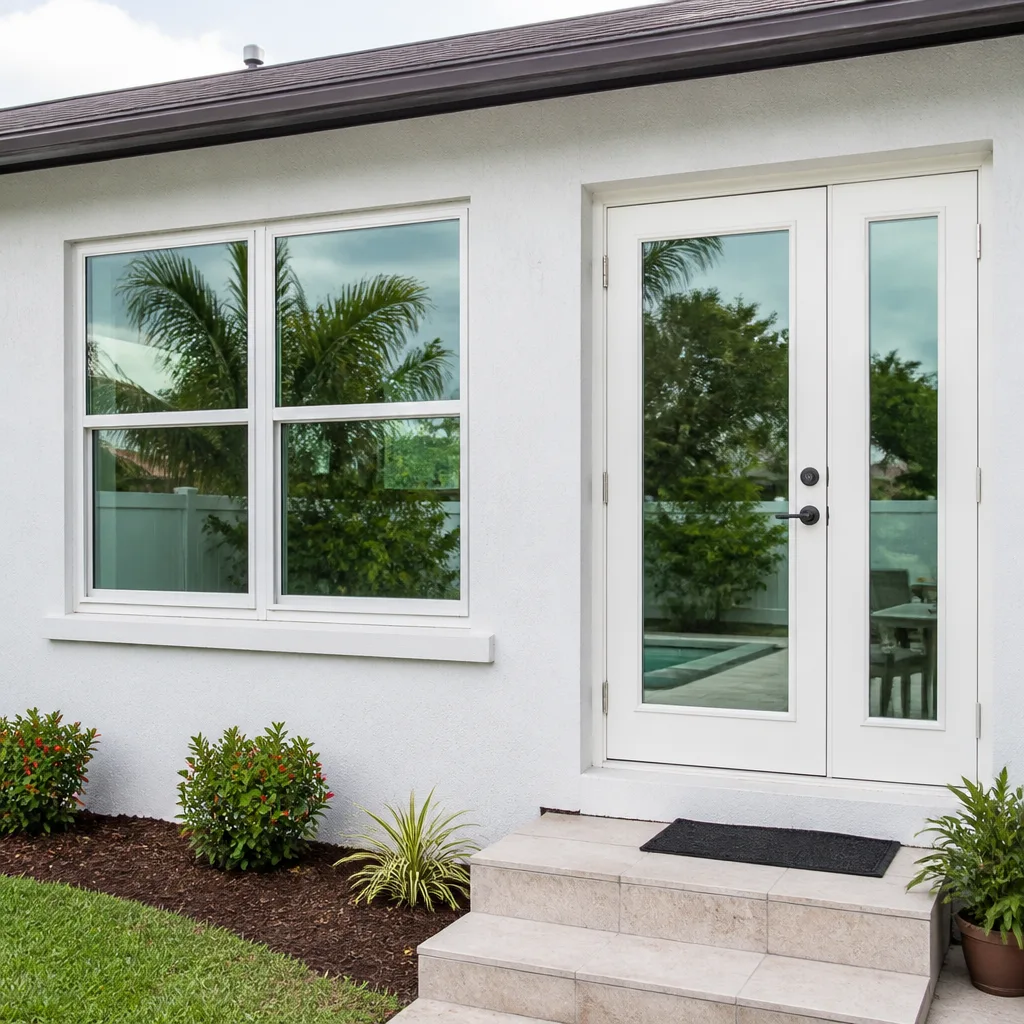 After
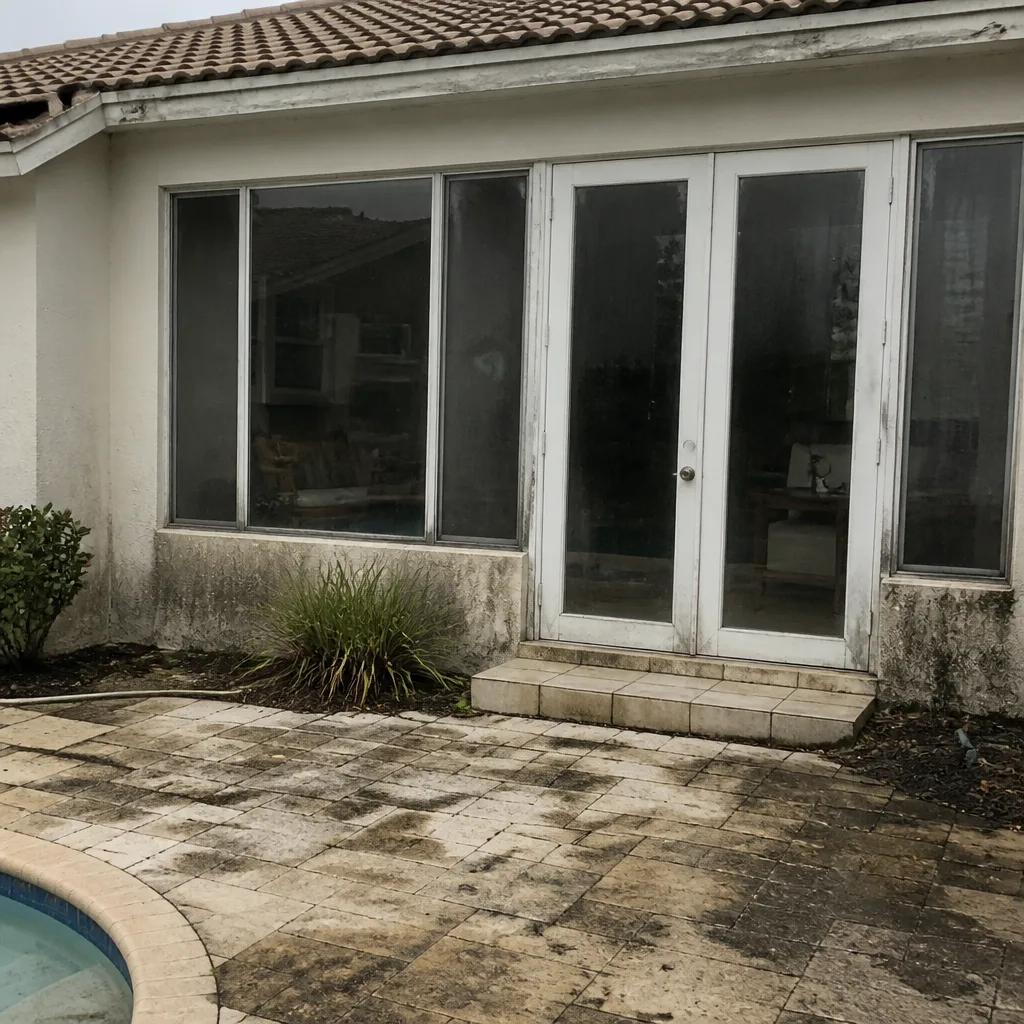 Before
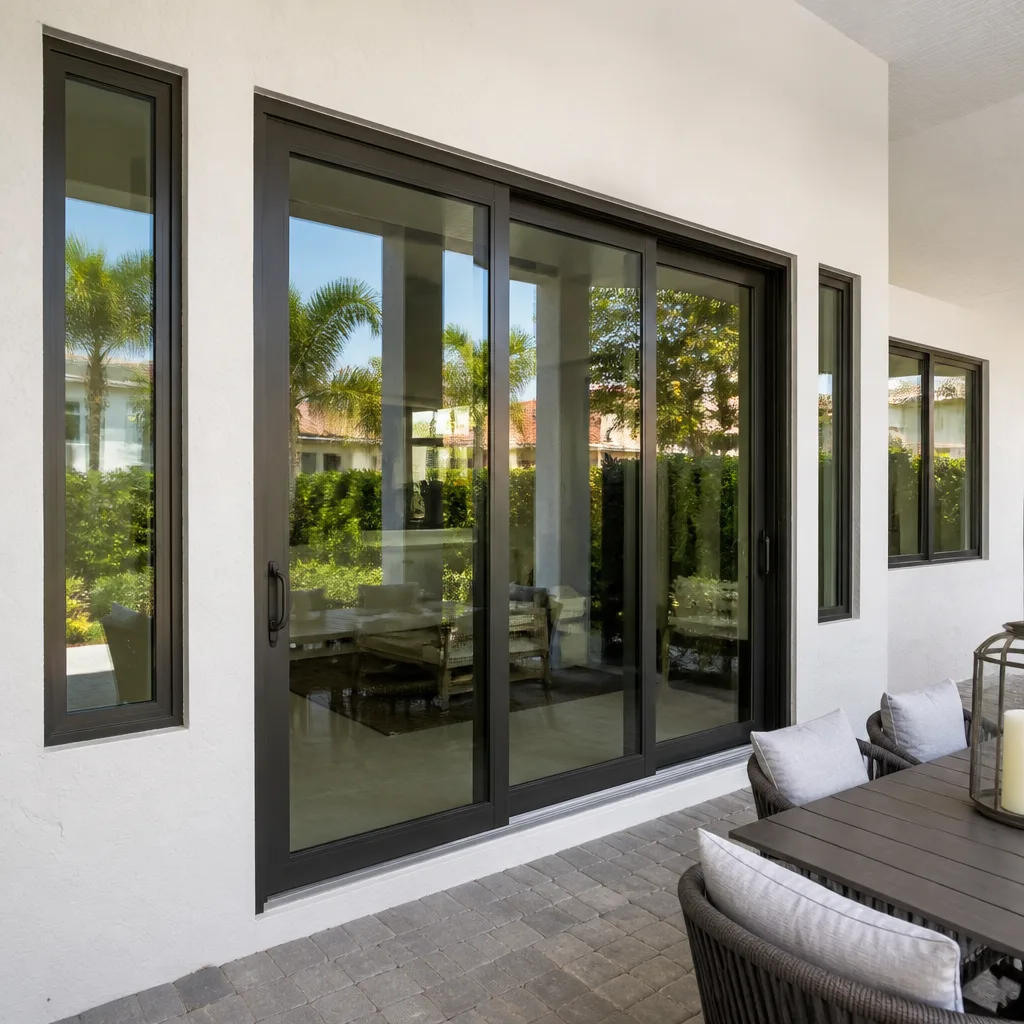 After
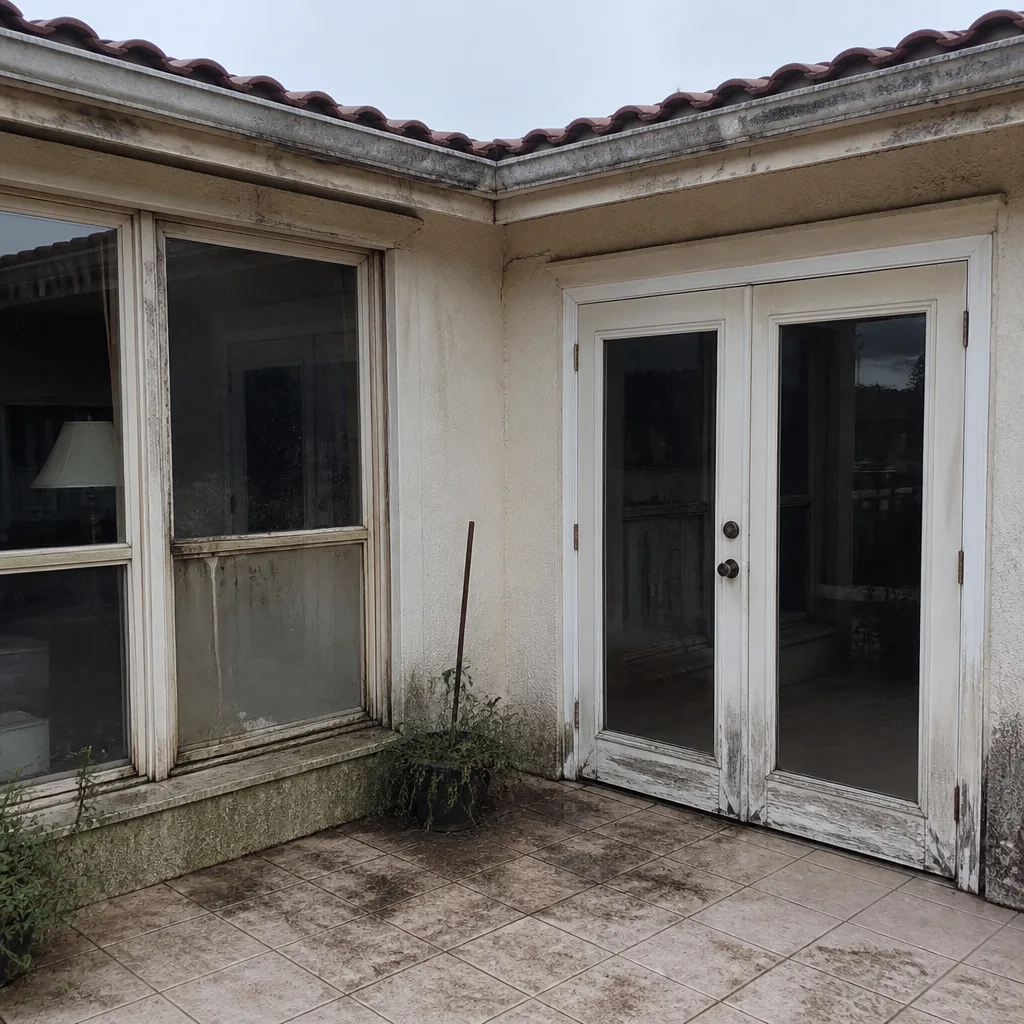 Before
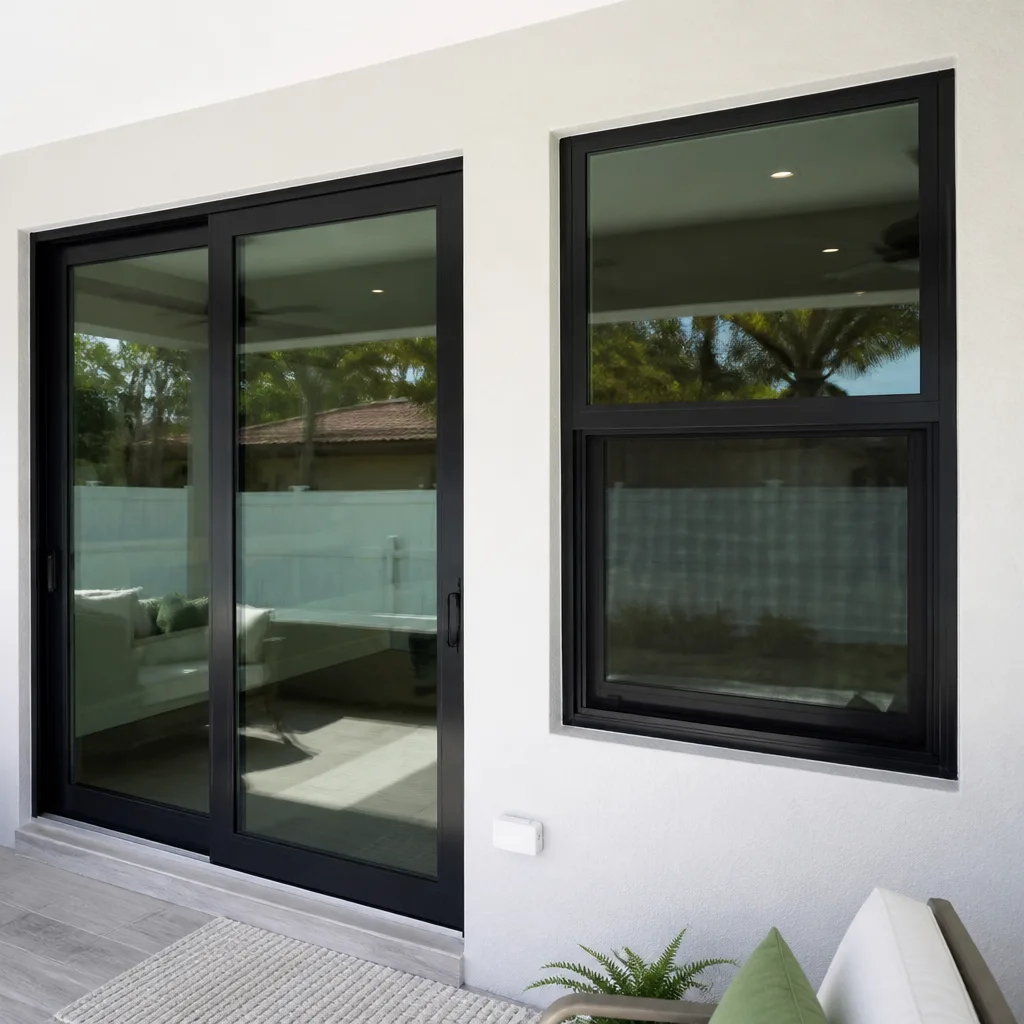 After
DIY vs Professional Windows & Doors: The West Palm Beach Homeowner’s Decision Guide
The average West Palm Beach homeowner who attempts a window replacement discovers within the first hour that the wall opening is not square. It has settled, shifted, or was framed out of true in 1972 and nobody corrected it. The big-box store window that looked perfect in the showroom now sits crooked, won’t close, and the manufacturer’s warranty is already void because the installation method did not match the written requirements. This guide lays out what actually separates a DIY window or door job from a professional installation in this specific climate, with this specific building stock, and what that difference costs when you get it wrong.
Quick Answer
For most West Palm Beach homeowners, professional window and door installation is the better financial and practical decision. The upfront labor cost is real, but a failed DIY install in South Florida’s humidity, wind, and hurricane code environment typically costs two to three times the original job to correct. The exceptions are minor, non-structural tasks like caulking, weatherstripping, hardware adjustment, and screen replacement, which an experienced homeowner can handle with the right materials.
Table of Contents
- The True Cost of DIY: What the YouTube Video Doesn’t Show You
- Why West Palm Beach Climate Makes This a Different Conversation
- Florida Building Code, Permits, and What They Mean for Your Project
- Impact Windows, Wind Ratings, and Insurance: The South Florida Factor
- What a Realistic DIY Project Looks Like (and What It Doesn’t)
- What a Professional Installation Actually Includes
- Warranty Reality: The Fine Print That Kills DIY Savings
- A Decision Framework for West Palm Beach Homeowners
The True Cost of DIY: What the YouTube Video Doesn’t Show You
The purchase price of a window is maybe 40 to 50 percent of what a professional installation costs. The rest pays for labor, disposal, flashing, sealants suited to this climate, shims, fasteners, and the judgment to know when a rough opening needs reframing rather than forcing. A DIY homeowner sees the window price and thinks the savings are obvious. The video tutorial makes it look like a one-afternoon project. It rarely is.
We have walked into West Palm Beach homes where the homeowner had three windows set in a single weekend, all of them caulked with a latex product that broke down under South Florida sun within eighteen months. Water found the gap, soaked the drywall below the sill, and the repair invoice was $4,700 before anyone touched the windows themselves. The savings on installation evaporated, then inverted.
The real cost of DIY includes the tools you do not own and will never use again: a brake for bending aluminum trim, a foam gun that dispenses low-expansion window foam evenly, shims that will not compress under the weight of a double-pane unit, and a level longer than the window itself. Renting or buying these adds $200 to $600 before you begin. Then there is the second set of hands you will need for any window wider than 36 inches. A double-pane impact unit from CGI or CWS can weigh 80 to 140 pounds. That is not a one-person lift, and a dropped unit is a total loss.
Line-Item Cost Comparison: DIY vs Professional
| Item | Typical DIY Cost | Typical Professional Cost |
|---|---|---|
| Standard single-hung replacement window (48″ x 36″) | $180-$320 (window only) | $600-$950 installed |
| Impact-rated window (PGT, CGI, or ES Windows) | $450-$800 (window only, freight extra) | $1,100-$1,900 installed, permit included |
| Sliding glass door (60″ x 80″) | $700-$1,300 (door only) | $2,200-$4,000 installed, permit included |
| Tools, flashing, sealants, foam, disposal | $300-$700 (mostly one-time) | $0 (included in labor) |
| Permit and inspection | $150-$400 (if pulled correctly) | $150-$400 (pulled by contractor) |
| Cost to fix a failed DIY install | $1,500-$8,000+ | $0 (warranty covers workmanship) |
The table tells the story. The window itself is the cheap part. What you pay a professional for is the guarantee that the window performs as rated for years, not months.
Why West Palm Beach Climate Makes This a Different Conversation
A window installed in Phoenix has one job: keep heat out and stay in the frame. A window installed in West Palm Beach has four jobs: keep heat out, keep humidity out, survive sustained winds, and drain water that gets driven horizontally by afternoon thunderstorms. That fourth job is the one DIY installs fail most often.
West Palm Beach receives over 60 inches of rain annually, much of it arriving in short, violent bursts between June and October. Wind-driven rain does not fall down. It falls sideways, finding every gap in flashing, every pinhole in caulk, every improperly lapped joint. Professional installers in this market use polyurethane sealants and stainless steel fasteners because anything less corrodes or fails. A homeowner following a national DIY guide may use galvanized screws and silicone meant for interior trim. It will look right for a year. Then it fails.
Humidity is the quieter enemy. A double-pane window with a failed seal fogs between the glass, but a window with a poorly sealed perimeter lets humid air condense inside the wall cavity. You do not see that failure until the drywall stains, the insulation is black, and a mold remediation company is quoting $6,000. In the neighborhoods around El Cid, Flamingo Park, and the older sections of South End, the homes are wood-frame and the wall cavities absorb moisture like a sponge. A flashing mistake in one of those houses is not a cosmetic issue. It is a structural one.
The heat adds a third variable. Sealants cure differently at 94 degrees with 80 percent humidity than they do at 72 degrees in a controlled test. Some products skin over before they bond. Others sag and leave top gaps that channel water behind the flange. Professionals in West Palm Beach learn which sealant behaves in August, and which one fails by October. That knowledge is not in the instruction sheet.
Florida Building Code, Permits, and What They Mean for Your Project
Florida does not treat window replacement as a casual homeowner task. Under the Florida Building Code, replacing a window or exterior door requires a permit in West Palm Beach, and the installation must meet wind-load requirements determined by your home’s location within the wind-borne debris region. A knowledgeable homeowner can pull their own permit, but the inspection will hold the work to the same standard a licensed contractor faces. Most DIY installs do not pass on the first visit.
The process works like this:
- File the application. The City of West Palm Beach Building Division requires product approval documents showing the window or door is approved for Florida use, including design pressure ratings that match your elevation and exposure category.
- Pay the fee. Permit fees vary by project value, but a typical window replacement permit runs between $150 and $400 depending on the number of openings.
- Install to the approved plan. The inspector will verify fastener type, spacing, flashing method, and product approval numbers. If the install does not match the documents, the inspector red-tags it.
- Pass inspection. A passing inspection is a legal record that the work meets current code. Without it, the work is unpermitted, and a future buyer’s lender may require the windows to be replaced or structurally verified before closing.
There is a second code layer most DIY guides skip: water management. Florida code requires specific flashing tapes and weep systems to direct water out of the wall assembly. If a homeowner skips the tape and relies on caulk alone, the installation violates code even if the window sits level. The inspector will catch it. The homeowner then pays a professional to disassemble and redo the work, and the total ends up higher than hiring a pro from the start.
Impact Windows, Wind Ratings, and Insurance: The South Florida Factor
In West Palm Beach, the decision is rarely “replace a window.” It is usually “replace a window with an impact-rated product that will survive a Category 4 storm.” That changes the stakes completely. Impact windows from manufacturers like PGT, CGI, ES Windows, and ECO Window Systems are engineered assemblies. The glass, frame, and anchoring system are tested together. If any component is substituted or installed incorrectly, the assembly is no longer rated, and your insurance company may deny a claim after a storm.
Florida insurance carriers offer premium reductions, often called wind mitigation credits, for homes with documented impact protection. A professionally installed impact window with inspection paperwork and product approvals on file qualifies for those credits. A DIY impact window with no permit and no inspection produces no verifiable record. The insurance company will not take your word for it. The credits require documentation.
There is also a structural reality. Impact windows transfer wind load through the frame into the surrounding structure. The fasteners that hold the window in place must penetrate into solid framing at the specified spacing. A homeowner who misses studs, over-drives fasteners through the frame, or anchors only into drywall has created a window that may blow inward under load. That window is more dangerous than the single-pane original, because everyone inside assumed it offered protection. We have corrected enough DIY impact installs in West Palm Beach to say this plainly: a hurricane is not the time to discover the rating was voided by installation error.
What a Realistic DIY Project Looks Like (and What It Doesn’t)
The honest version of this guide is that some tasks are fine for a homeowner, and some are not. The dividing line is whether failure endangers the house or just the task.
Reasonable DIY Window and Door Tasks
- Caulking interior trim and non-structural gaps. Use a quality paintable caulk and clean the surface first. This is cosmetic and low-risk.
- Replacing weatherstripping. Felt, foam, and rubber seals degrade in Florida heat. Replacement is straightforward and cheap.
- Adjusting door hinges and strike plates. If a door rubs or binds, a screwdriver and some patience often fix it. If the frame itself is out of true, that is a different problem.
- Replacing window screens. Spline, screen cloth, and a roller cost under $40. This is a Saturday afternoon project.
- Tightening loose hardware. Window locks, casement cranks, and door handles work loose over time. Tightening is safe and quick.
- Applying exterior door threshold sealer. A failing threshold lets water under a door. Replacing the threshold is moderate; resealing a minor gap is fine.
Do Not Attempt Without Professional Training
- Removing or setting any window or door over 24 inches wide. The weight, the risk of dropping an expensive unit, and the structural issues make this a professional job.
- Any impact-rated product. The anchor pattern, fastener spec, and flashing details are code-regulated. Getting them wrong voids the rating.
- Any opening that shows signs of water damage, rot, termite activity, or settling. The opening is compromised. Setting a new window into bad wood guarantees a future failure.
- Second-story work from a ladder. Falls from ladders are the leading cause of DIY home improvement fatalities. Windows weigh enough to pull you off balance. This is genuinely dangerous, and the financial savings are not worth the risk of serious injury.
- Any project that requires removing structural framing. If the rough opening must be enlarged, a header must be calculated and installed. That is engineering work, not carpentry guesswork.
What a Professional Installation Actually Includes
When you pay a professional window installer in West Palm Beach, you are paying for a sequence of steps that takes a day or two and produces a building envelope that will perform for twenty to thirty years. Here is what that sequence looks like, so you can compare it against the DIY version honestly.
- Measurement and order. Every opening is measured twice. Not once, twice. The second measurement catches the variance between left and right jamb, top and bottom plate. A professional orders to the smallest workable dimension and plans the shim gradient for the rest.
- Removal and inspection. The old window comes out, and the rough opening is inspected for rot, termite damage, and structural soundness. If the framing is compromised, the professional stops, informs you, and quotes the repair before proceeding. A DIY installer may not recognize the first signs of dry rot.
- Flashing and sill preparation. A sloped sill pan directs any water that gets behind the siding out through the weep system. This step is invisible after installation and is the single most skipped step in amateur work.
- Set, shim, and level. The window is centered, shimmed to a consistent margin, and verified plumb and level on two axes. A window set out of level binds in the track. One set out of plumb leaks at one corner.
- Fastening to spec. Fastener type and spacing follow the manufacturer’s written installation instructions. For impact windows, those specifications are the difference between a rated assembly and a lawsuit waiting on a storm.
- Insulation and sealing. Low-expansion foam fills the shim space without bowing the jambs. Exterior sealant is applied over backer rod for proper joint design, not just smeared across the gap.
- Trim and cleanup. Exterior trim covers the joint and matches the existing profile as closely as possible. Old window disposal is included. The work area is swept.
- Warranty registration. This is the step that protects you for the next two decades. The installer registers the manufacturer warranty in your name and provides the paperwork showing both warranty layers in writing. At TruePane Windows & Doors, that dual registration is standard on every job, and we provide the documentation before the technician leaves the driveway. That is the Keystone Standard we have applied in West Palm Beach.
We are an authorized installer for more than a dozen manufacturer lines, including, PGT, CGI, and ES Windows. That authorization matters. It means the manufacturer has verified our installation methods meet their written requirements, and it means the warranty is honored if a claim is ever filed. A homeowner cannot get that from a YouTube video. Learn more about our approach on the TruePane Windows & Doors home page.
Warranty Reality: The Fine Print That Kills DIY Savings
This is the section that should make any West Palm Beach homeowner pause before ordering a window online. Manufacturer warranties are conditional documents. They state, often in language a lawyer would find dense, that coverage applies only when the product is installed according to the written installation instructions, by a qualified installer, and registered within a specified window of time after purchase. A DIY install that skips the registration deadline, or is installed with the wrong flashing tape, has no warranty. Zero.
The window could fail in year one, and the manufacturer will point to the unauthorized installation. You are then paying for a replacement window and a professional install, on top of what you already spent. The worst-case scenario is not a savings of $400. It is a loss of $2,500.
Professional installers carry two warranty layers. The first is the manufacturer’s product warranty, which covers the glass, frame, and hardware. The second is the installer’s workmanship warranty, which covers the installation labor and the sealing and flashing work that a manufacturer will never cover. TruePane registers both warranty layers in writing on every job and provides a Done Right Promise: if the work is not done right, we make it right. No paperwork fights, no arguing, no fine print that covers neither. That is the difference between a transaction and a standard.
Standing behind the work is not a marketing phrase. It is the only reason to hire a company that plans to be in West Palm Beach in thirty years. Our technicians are background-checked and uniformed. A live person answers our phone 24 hours a day, seven days a week, not a voicemail tree or a regional call center. When a homeowner calls about a problem, the same local team that did the install shows up to make it right. That matters to people who remember the contractor who disappeared after taking their money.
A Decision Framework for West Palm Beach Homeowners
If you are deciding between doing it yourself and hiring a professional, work through this list in order. It will give you a clearer answer than any single rule of thumb.
Step 1: Is the task structural or cosmetic?
Cosmetic tasks like caulking, weatherstripping, and screen replacement are safe DIY territory. Structural tasks like setting a window, replacing a door, or modifying a rough opening are not.
Step 2: Does the product carry an impact rating?
If yes, hire a professional. The rating depends on installation method as much as product design. A voided rating is worse than no rating, because it creates a false sense of security during a storm.
Step 3: Will the work require a permit?
In West Palm Beach, any window or door replacement requires a permit. If you are uncomfortable with the permitting and inspection process, hire a professional who handles it as routine.
Step 4: What is the age and condition of the rough opening?
Homes built before 1990 in West Palm Beach frequently have wood-frame openings with water damage or termite activity hidden behind the old window. If you don’t know what you are dealing with, hire someone who will inspect it before setting anything.
Step 5: What does failure cost?
A bad caulk job costs $20 to redo. A bad window install costs thousands and can damage the structure. If the downside is more than you can afford to fix, hire a professional.
Step 6: Do you have the right help and equipment?
Setting a 100-pound impact window by yourself is how injuries happen. If you don’t have a second person and the right tools, the answer is already made.
Step 7: Who stands behind the work?
The final question is the one that matters most. A professional installation comes with someone to call if it goes wrong. A DIY install comes with you alone on a ladder in July, wondering why the window does not close right. TruePane stands behind every job we do in West Palm Beach with both warranty layers in writing and a Done Right Promise. If the pane is not true, the job is not done.
Common Mistakes to Avoid
- Buying the window before measuring the opening correctly. We see homeowners order based on the glass size, not the rough opening size. The window arrives two inches short or an inch too tall, and the return shipping eats the savings. Measure the rough opening, not the old window.
- Using interior silicone on exterior joints. Interior silicone breaks down under UV and peels within a season in the West Palm Beach sun. Exterior work needs a sealant rated for UV exposure and a backer rod to support it. Using the wrong product looks fine for a month and fails by August.
- Skipping the sill pan because “the old window didn’t have one.” The old window leaked too, you just never saw it because the damage was behind the siding. Florida Building Code now requires a water-resistant barrier and sill flashing. Skipping it means redoing the work after the next sideways rain.
- Installing an impact window without checking product approval documents. Impact windows must be approved for Florida use with a design pressure rating that matches your home’s wind zone. A window from an out-of-state online retailer may not carry a valid Florida product approval, and your insurance company will not accept it.
- Forcing a window into an out-of-square opening with more shims than the manufacturer allows. If the opening is out of true by more than the manufacturer’s tolerance, the frame bends, the sash binds, and the glass seal is strained. A professional either corrects the framing or orders a window sized for the worst dimension.
- Assuming a fogged window is a simple glass swap. A failed seal in an insulated glass unit requires the entire glass pack to be replaced, and in many cases the sash must be re-glazed to match. A homeowner who pries apart the sash to “fix” it usually destroys the frame. Call someone who does this weekly.
When to Call a Professional
You should call a professional when the project involves any of the following: replacing an entire window or door, installing an impact-rated product, working on a second story, dealing with rotted or damaged framing, or any job that requires a permit and inspection in West Palm Beach. You should also call a professional if you have already attempted a repair and the problem persists. A window that still leaks after caulking has a flashing problem, not a sealant problem, and the fix requires removing the window. TruePane Windows & Doors offers free estimates in West Palm Beach. Call (561) 264-1279 and we will come look at the opening and tell you what it needs, on paper, with no obligation.
Frequently Asked Questions
Yes, Florida allows homeowners to act as their own contractor for work on their primary residence, but the work still requires a permit and inspection, and it must meet the same Florida Building Code standards as a licensed contractor’s work. In practice, most DIY window installs fail the first inspection because the flashing, fastening, or product approval details do not match the code requirements. The cost of correcting a failed inspection often exceeds the original savings.
Standard, non-impact replacement windows in West Palm Beach typically run $600 to $950 per opening installed. Impact-rated windows from manufacturers like PGT, CGI, ES Windows, or ECO Window Systems typically run $1,100 to $1,900 per opening installed, including permit and inspection. Sliding glass doors run $2,200 to $4,000 installed. Exact pricing depends on opening size, framing condition, product line, and access. Call (561) 264-1279 for a written line-item quote on your specific openings.
They will ask for documentation. Florida wind mitigation inspections verify the presence and rating of impact protection through product approval documents, installation records, and permit history. A professional installation produces the paperwork required for those insurance credits. A DIY install with no permit and no product registration produces no verifiable record, and the insurance company will not provide the wind mitigation discount without it.
The most common failure we correct is improper flashing around the window perimeter, usually a downstream result of skipping the sill pan and sealing the gap with the wrong sealant. Water gets behind the frame, rots the sheathing, and stains the drywall below. What started as a $400 DIY savings becomes a $4,000 structural repair before the window itself is even addressed.
Most window replacements in West Palm Beach are completed in a single visit, with each opening taking roughly one to two hours depending on size, framing condition, and access. A full house of ten to fifteen openings typically takes one to two days. At TruePane, our technicians measure every opening twice, register both warranty layers in writing, and complete most jobs in a single visit because the crew arrives prepared with the right windows and the right materials.
No. TruePane Windows & Doors provides free estimates throughout West Palm Beach, and every estimate is a written line-item quote that shows exactly what you are buying, including product, labor, permit, and disposal. The price on the quote is the price on the invoice. Call (561) 264-1279 to schedule a visit. A live person answers, any hour, any day.
The Bottom Line
The DIY versus professional decision for windows and doors in West Palm Beach comes down to one question: what does it cost if you are wrong? Minor tasks like weatherstripping, caulking, and screen repair are reasonable homeowner work. Full window or door replacement, impact-rated products, and any work requiring a permit and inspection are professional territory, because the failure costs dwarf the savings and the climate west of the Intracoastal punishes shortcuts. TruePane Windows & Doors has been doing this work in this community, under a 42-year craft heritage and a standard that registers both warranty layers in writing, every time. If the pane is not true, the job is not done. Call (561) 264-1279 for a free estimate, and get it done right the first time.
Written by the team at TruePane Windows & Doors.
Six Reasons Homeowners Choose TruePane Windows & Doors
Impact systems engineered to design pressures up to +/-100, matched to your wind zone - your openings hold when the storm arrives.
Low-E insulated impact glass from our manufacturer lines commonly cuts monthly cooling bills 20-30%.
Laminated impact glass shuts out up to 40% of outside noise - traffic, neighbors, weather.
Monitoring services run $30-90 a month. Laminated impact glass resists forced entry around the clock, with no subscription.
Florida homeowners average around 25% savings on the windstorm portion of their policy after protecting every opening - some homes qualify for more.
A full impact package upgrades curb appeal, buyer confidence and appraised value in one project.