
Last updated August 25, 2026
Free in-home measure and quote - PGT, CGI and CWS impact lines compared on your actual openings, style by style
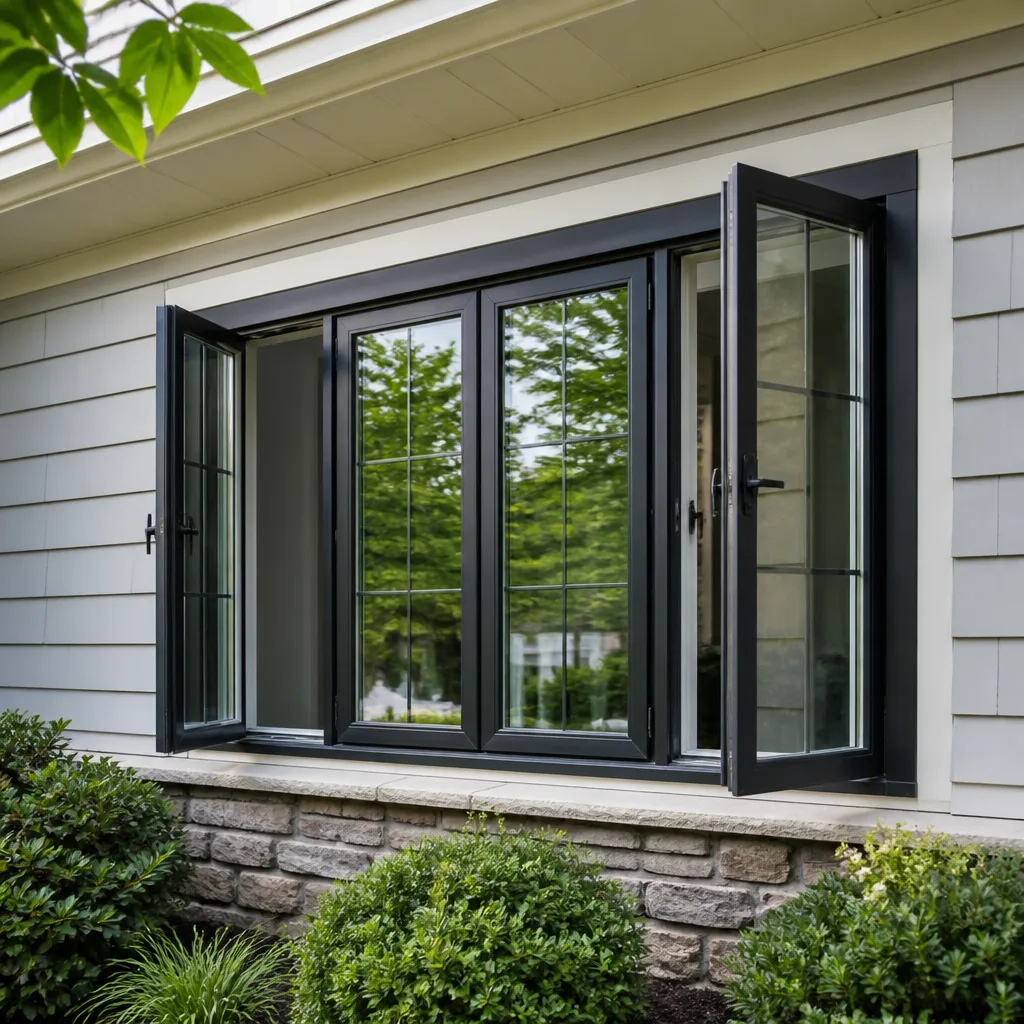
Sliding glass doors
Impact garage doorsPGTCGI
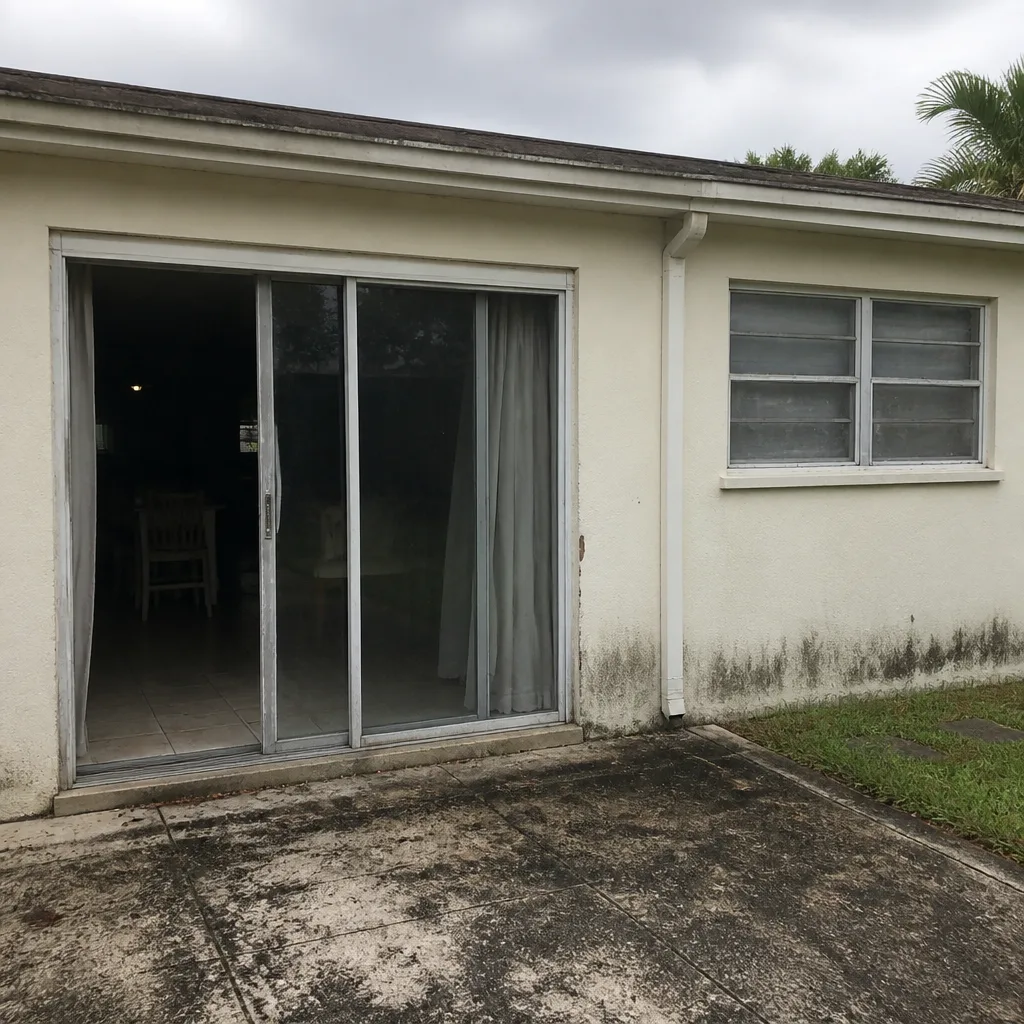 Before
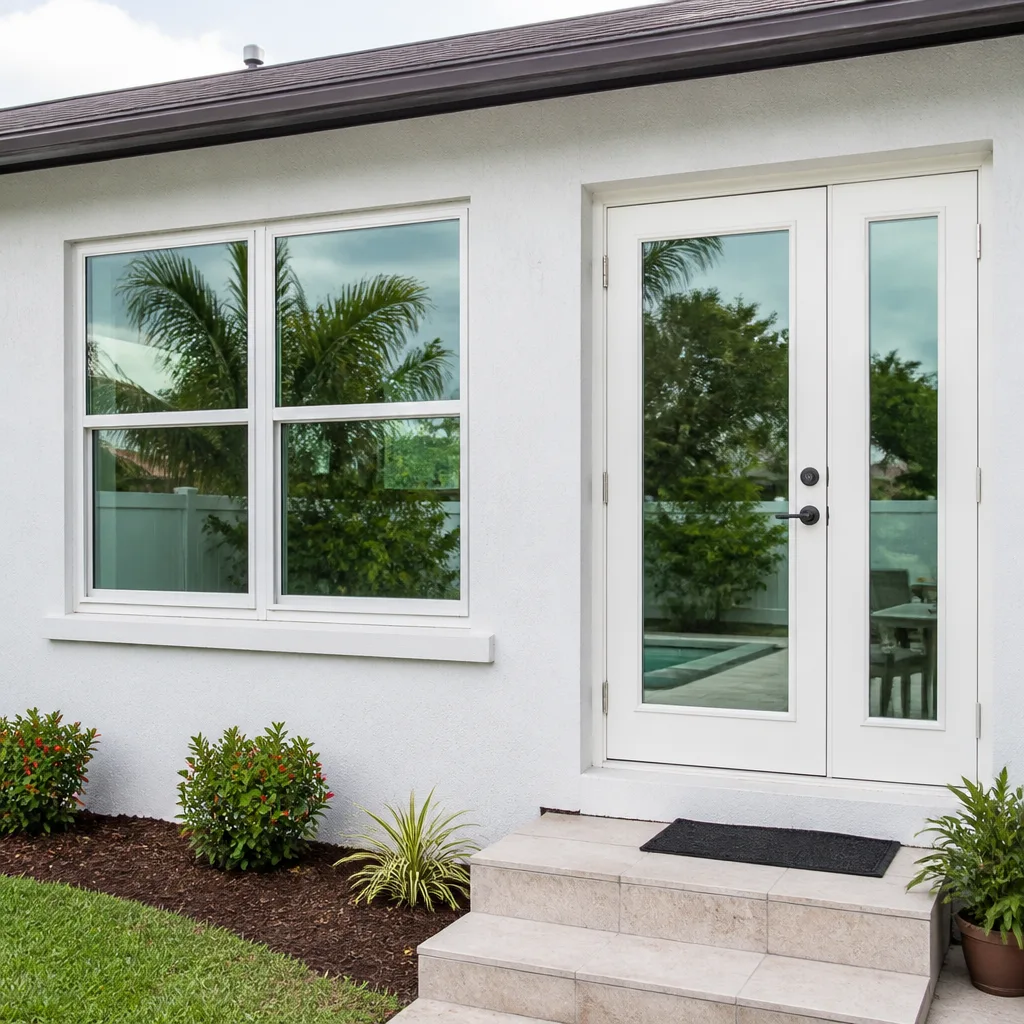 After
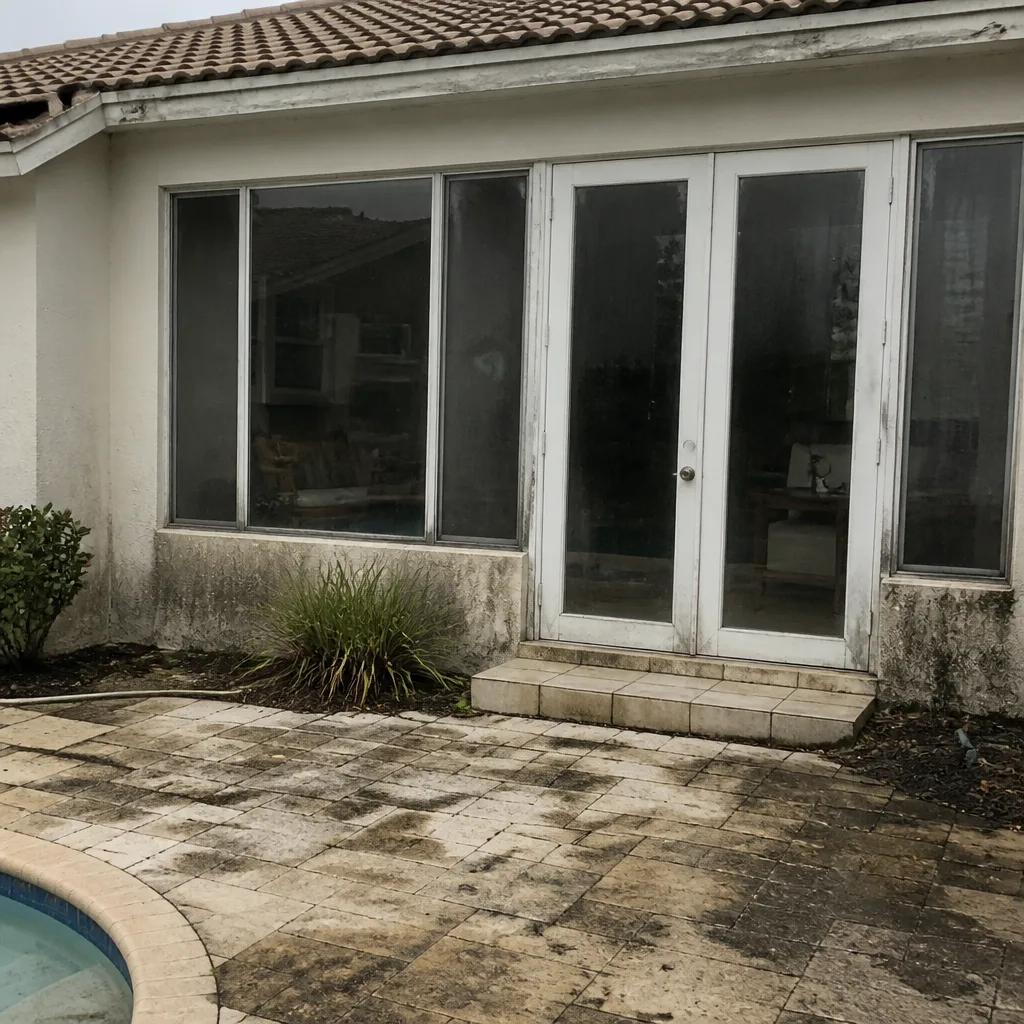 Before
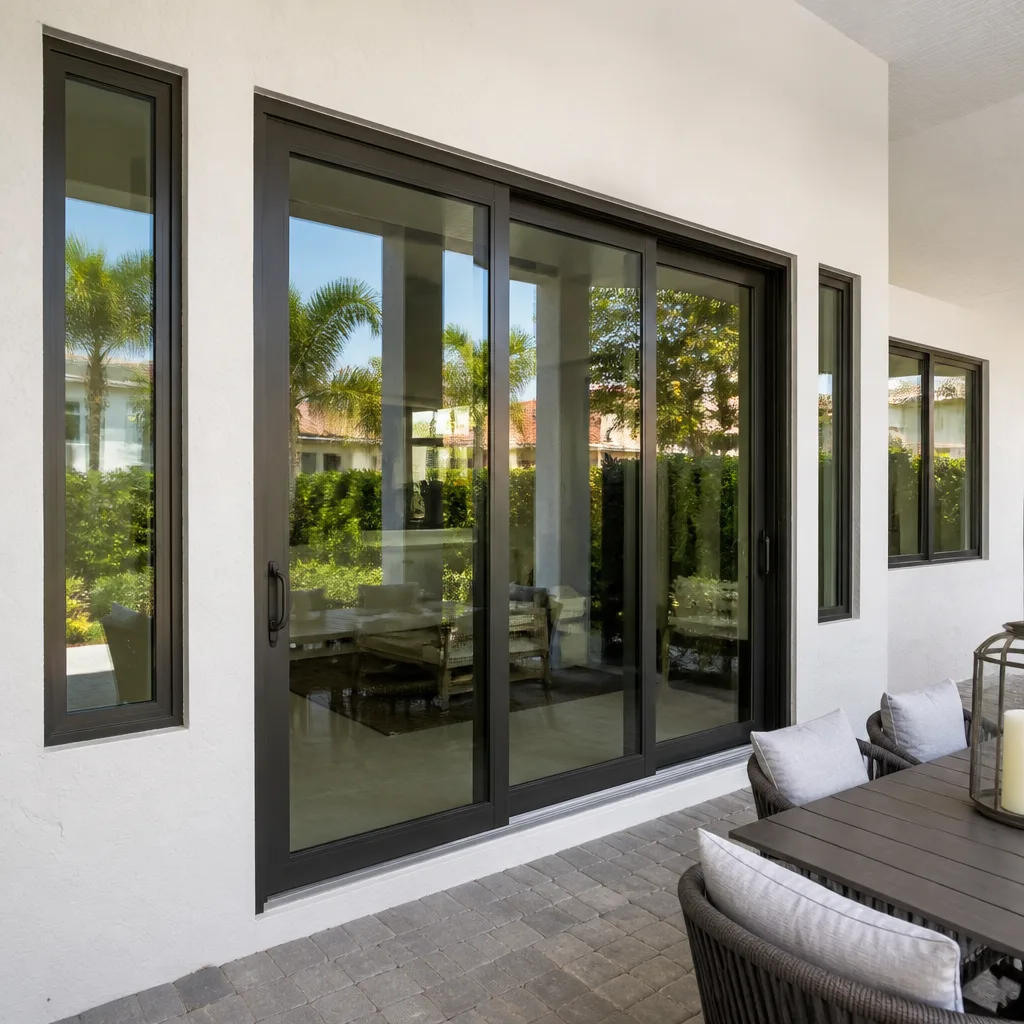 After
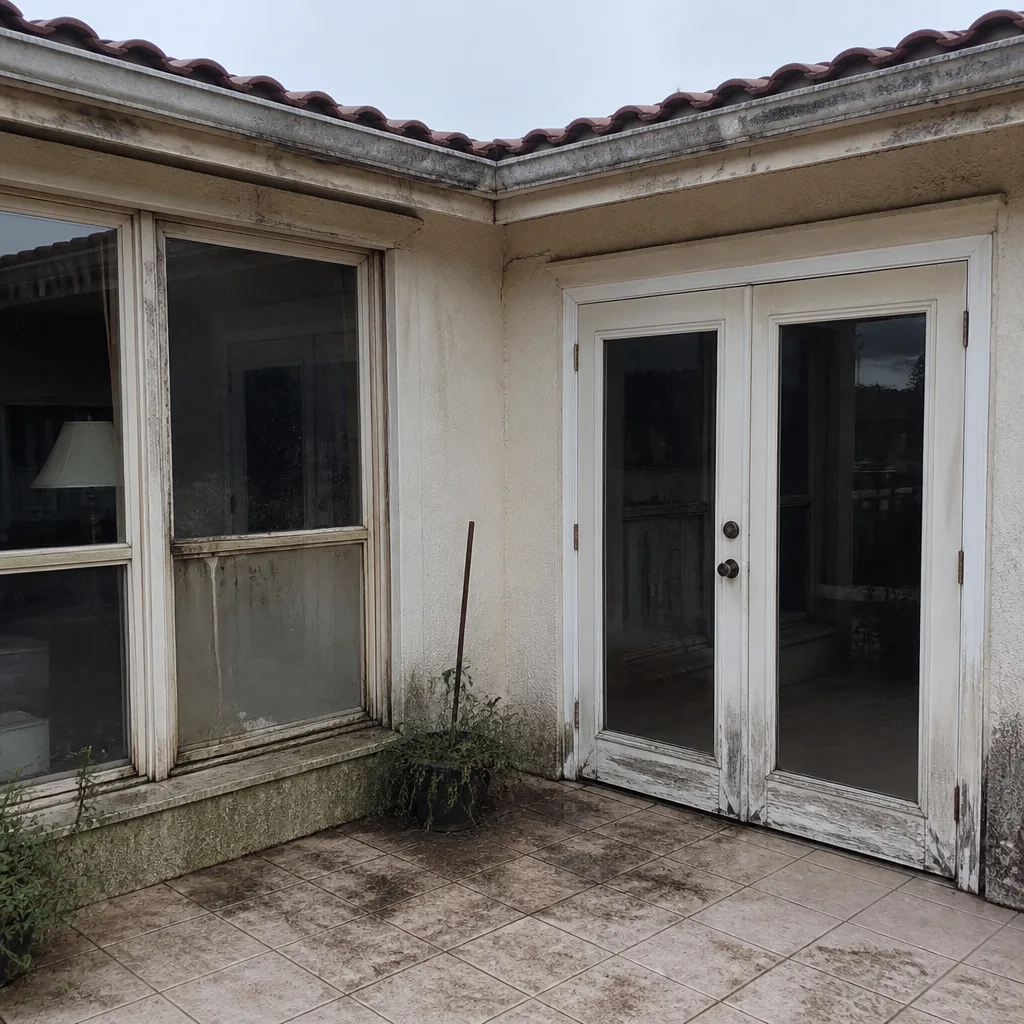 Before
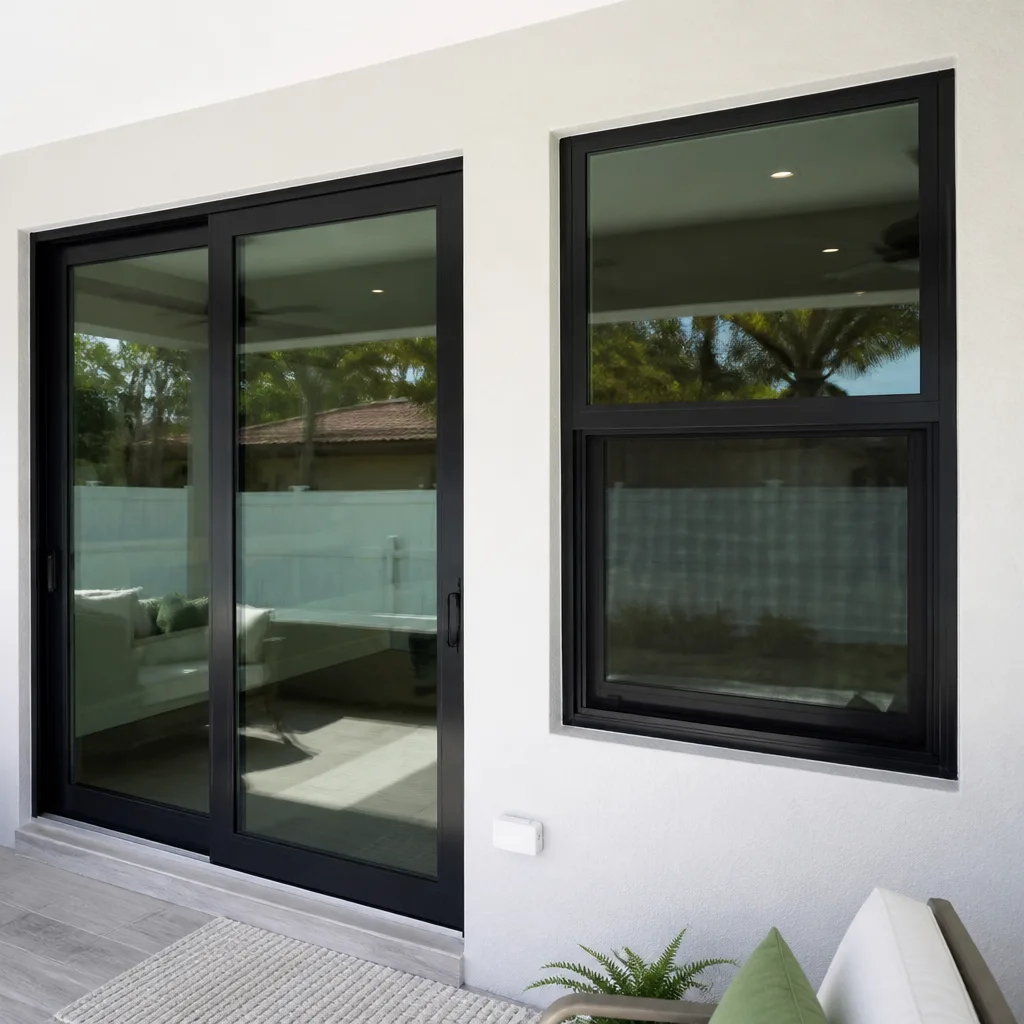 After
Windows & Doors Permits, Codes & Inspections in FL: What You Need to Know
Most Florida homeowners don’t realize their window replacement can be legally finished and still be wrong. The permit gets closed, the inspector signs off, and two hurricane seasons later the water finds its way in around a flashing detail nobody ever checked. We work in West Palm Beach, where the combination of wind-driven rain, salt air, and some of the strictest building codes in the country means the paperwork matters just as much as the installation itself. This guide covers what Florida actually requires for window and door permits, which code provisions affect your home, how inspections work, and what happens when corners get cut. You’ll learn enough here to ask a contractor the questions that separate a square deal from a very expensive mistake.
Quick Answer
In Florida, replacing windows and doors requires a building permit, and the work must meet the Florida Building Code (FBC), including wind load requirements that vary by location. In West Palm Beach and most of Palm Beach County, you’re in the High Velocity Hurricane Zone (HVHZ), which means impact-rated or otherwise code-compliant products tested to withstand wind-borne debris are mandatory. Inspections happen at specific stages, and the permit must be closed by the local building department for the work to be legally complete.
Table of Contents
- Why Permits Matter in Florida More Than Anywhere Else
- Understanding the Florida Building Code for Windows & Doors
- The High Velocity Hurricane Zone: What It Means for West Palm Beach
- The Permit Process Step by Step
- Inspections: What Gets Checked and When
- Permit and Inspection Costs in Palm Beach County
- Florida Product Approvals and Why They Matter
- How Permits and Inspections Affect Your Home Insurance
Why Permits Matter in Florida More Than Anywhere Else
Florida has been the testing ground for American building codes since Hurricane Andrew tore through South Florida in 1992. The destruction in Miami-Dade County exposed a systemic failure: builders were installing windows and doors that had never been tested to withstand the wind pressures they actually faced. The state rewrote the code entirely, and Florida now has the most rigorous wind load standards in the country.
What this means for a homeowner in West Palm Beach is simple: replacing a window is not a cosmetic project. It’s a structural one. The building department wants to verify that the product you’re putting in meets code, that it’s installed in a way that will actually hold during a storm, and that the opening is sealed correctly. When you skip the permit, you lose that verification and you’re left trusting the contractor’s word, which some contractors count on.
A 2018 state law (Florida Statute 553.844) was designed to stop local governments from requiring product recertification beyond state approvals, but it doesn’t remove the permit requirement. It just limits the busywork. Cities like West Palm Beach still require the permit, still require the inspections, and still require the paperwork trail that proves your house is legal.
Beyond legality, permits create a record. If you sell the house and the buyer asks for the permit history on the windows, you either have it or you don’t. We’ve seen home sales stall in West Palm Beach because a homeowner replaced windows a decade ago without pulling permits and the title company flagged it. The cost to fix that later is always more than the permit fee would have been in the first place.
Understanding the Florida Building Code for Windows & Doors
The Florida Building Code, 8th Edition (2023), consolidates all local building regulations into one statewide standard. Cities and counties can amend it, but they cannot weaken it. For windows and doors, the relevant sections are Chapter 16 (Structural Design) and Chapter 17 (Special Inspections), along with the product approval requirements referenced throughout.
Here are the core requirements that apply to every window and door replacement in Florida:
- Wind load ratings: Every window and door must be designed and tested for the specific wind pressures of the building’s location. The exact pressure requirements come from the building’s exposure category, height, and roof geometry, not from a guess or a general rule.
- Impact protection or impact-resistant products: In the HVHZ and in wind-borne debris regions, every exterior opening must either be impact-rated or protected by shutters or screens that meet the standard.
- Design pressure (DP) ratings: Each product carries a DP rating (for example, DP-50 or DP-70) that must equal or exceed what the code requires for the specific opening. The engineer or licensed contractor calculates this per opening.
- Flashing and water management: The code requires that windows and doors be integrated with the weather-resistant barrier so water drains outward, not into the wall cavity. This includes specific instructions for flange installation, sill flashing, and side flashing.
- Energy code compliance: Florida requires windows to meet maximum U-factor and solar heat gain coefficient (SHGC) values based on the climate zone. Palm Beach County is in Climate Zone 1, the warmest zone, so the numbers are strict.
What most homeowners won’t see is the calculation work. A licensed contractor or design professional determines the wind zone, the exposure, and the required design pressure for each specific opening before products get ordered. This is why copying a neighbor’s window choice can be a mistake; the calculations can differ even between houses on the same street.
In West Palm Beach, the local building department enforces these provisions alongside Florida statute, and they will not close a permit until the approved product documentation and the field inspections both match.
The High Velocity Hurricane Zone: What It Means for West Palm Beach
West Palm Beach sits inside the High Velocity Hurricane Zone (HVHZ), a designation that covers Miami-Dade and Broward counties and applies to the coastal portions of Palm Beach County. The HVHZ standards are stricter than the coastal wind-borne debris standards used in places like Orlando or Jacksonville, and they cover all buildings, not just those near the shore.
In practice, the HVHZ mandates that every exterior opening be protected against wind-borne debris, either through impact-rated products that are tested and approved for the HVHZ, or through qualified shutters and screens installed with the same rigor. Impact products are tested by firing a 9-pound 2×4 lumber projectile at the glass at 34 miles per hour without the window or door allowing penetration. That test is not a suggestion; it’s the standard for whether the product earns an HVHZ approval.
The codes for impact products in our area come down to missile impact tests and cyclic pressure tests. A product can pass the missile test and still fail the pressure cycling test that follows, which simulates the repeated wind loading of a hurricane. The label, which must be permanently affixed to the product, shows the product approval number, the DP rating, and the HVHZ compliance mark. Building inspectors in West Palm Beach check for those labels in the field.
Several manufacturers produce dedicated HVHZ-approved lines for the Florida market. PGT, CGI, CWS, ES Windows, and ECO Window Systems all carry products tested and approved for our region. Not every line from every manufacturer is HVHZ-approved, which is one more reason the paperwork and product approval numbers matter more than the sales brochure.
The Permit Process Step by Step
Every jurisdiction runs its own permit desk, and West Palm Beach is no exception. But the process in Florida generally follows the same sequence. Here is what a proper window and door permit looks like from start to finish.
- Hire a licensed contractor or become an owner-builder. Florida allows homeowners to pull their own permits for work on their own residence under the owner-builder exemption, but the homeowner then carries all the liability. Most people hire a state-licensed contractor who carries insurance and knows the code.
- Prepare the product selection and design calculations. The contractor identifies the products meeting the required DP ratings for each opening, pulls the Florida Product Approval documentation, and prepares the permit application package.
- Submit the permit application to the building department. In West Palm Beach, this includes the application form, the scope of work, the product approval sheets, calculations if required by the specific job, and proof of contractor licensing and insurance.
- Pay the permit fee. Fees vary by jurisdiction and job value. Expect to pay a building permit fee, a plan review fee if plans are required, and sometimes a separate electrical or structural review fee depending on the work.
- Wait for plan review. The building department reviews the submittal for code compliance. For a straightforward window replacement, this can be quick. For larger door openings, structural changes, or unusual conditions, the review can take longer.
- Receive the permit and schedule the work. Once approved, the permit is issued, and the contractor schedules the installation. The permit card must be posted on the job site in visible view.
- Pass all required inspections. The permit isn’t closed until the field inspections are done, any corrections are fixed, and the building department signs off.
The paperwork burden falls on the contractor, not the homeowner, and that’s how it should be. When a contractor says a permit isn’t necessary for replacement windows in West Palm Beach, you should probably end the conversation and call the next name on your list.
Inspections: What Gets Checked and When
Inspections for window and door replacement in West Palm Beach are typically marked on the permit card by the contractor as the job reaches specific stages. The inspector then visits the job site to verify the work matches what the permit says.
For a straight window-for-window replacement, the inspection is usually a single final inspection once all the windows are in. The inspector is verifying that the installed products match the approved submittal, that the HVHZ labels or impact approval labels are present and legible, that the fastening follows the manufacturer’s requirements and the code, and that the flashing was done correctly. If the opening was too large to inspect framing before the window went in, the contractor may have called for a separate inspection at that earlier stage.
For larger jobs, or for a job that includes enlarging an opening or installing a new door where one did not exist, the inspection often splits into stages:
- Rough-in inspection: Checks the framing, header, and structural work before the window or door unit is set. This is critical for changed openings, and a required step when the work involves moving a wall or cutting new structural members.
- Insulation or flashing inspection: Some jurisdictions require checking the flashing and sealing before trim covers it up. Palm Beach County building officials are increasingly strict on this step.
- Final inspection: Verifies the complete installation after the trim is finished, including the product labels, operational function, and storm protection compliance.
What the inspector is not doing is checking that you love the look of the window, or that the paint job is even. The inspection is a code compliance check. That is why a permit inspection passing does not replace a contractor’s own quality standard. We treat the inspection as the minimum bar, not the target.
When we install windows in West Palm Beach, the inspector checks our work against the code. What we check is whether the pane sits true, the reveal is even, the operation is smooth, and the weather barrier is continuous. Those are not code questions, but they are what separates a job that lasts twenty years from one that leaks in three.
Permit and Inspection Costs in Palm Beach County
Permit costs in West Palm Beach and unincorporated Palm Beach County are calculated off the job value, and every city in the county uses a slightly different fee schedule. For planning purposes, here is what we typically see on residential window and door replacements in our area.
| Permit Component | Typical Cost Range |
|---|---|
| Building permit fee | $75-$400 depending on job value |
| Plan review fee (when applicable) | $50-$250 |
| HVHZ or product review surcharge | $30-$150 |
| Inspection fee | Usually included in permit fee, sometimes $50-$100 per inspection |
| Administrative or technology fee | $10-$75 |
A typical whole-house window replacement in West Palm Beach will carry a permit fee somewhere between $200 and $600 depending on the job size and the jurisdiction. Door replacement permits run on the lower end unless you’re widening an opening, which triggers plan review and structural review charges.
These fees are not optional add-ons a contractor dreams up. They’re a pass-through cost that the building department collects, and the permit fee should appear on any honest estimate as a separate line item. If a contractor’s quote doesn’t mention permits, ask directly. A company that doesn’t pull permits is saving you maybe $400 up front and putting you at risk for a whole lot more later.
The cost of the permit isn’t the number you should be comparing anyway. The cost of a failed inspection is rework and delay. The cost of no permit is a red flag on a future sale, and in Florida, a potential fight with your insurer. The permit fee is the cheapest insurance policy available on the work.
Florida Product Approvals and Why They Matter
Florida is the only state that maintains a centralized product approval system for windows and doors. A window or door that is legal in Georgia or Texas may not be legal in Florida, and even within Florida, a product approved for the Panhandle may not be approved for the HVHZ.
The Florida Product Approval system assigns each approved product a unique number that links to test reports, engineering data, and the specific conditions under which the product can be installed. The approval addresses design pressure, impact rating, water infiltration resistance, forced entry resistance, and energy performance for the product’s specific configuration and size range.
What this means practically is that a window approved at a certain size in West Palm Beach may not be approved at a larger size, or may lose its approval when you change the glass make-up, the frame material, or even the direction of the slider. The product approval sheet is not marketing material; it’s a legal document that defines what the product is approved to do.
This is also where brand names become genuinely useful. When we quote a job, we reference the product approval number for each product line we’re offering, and we often show homeowners the approval documentation when they ask. The major manufacturers serving our market, including CGI, CWS, ES Windows, and ECO Window Systems, all maintain current Florida Product Approvals for their impact lines, and we pull the documentation for every job we install.
If a contractor cannot tell you the Florida Product Approval number for the window they’re proposing, consider that a warning sign. The number is printed on the label, listed in the permit application, and verified by the inspector. Any legitimate installer in West Palm Beach can produce it.
How Permits and Inspections Affect Your Home Insurance
The connection between building permits and home insurance in Florida is direct, and West Palm Beach homeowners feel it more than most. Florida insurers have become increasingly willing to drop or non-renew policies when they can’t verify that a home’s openings are protected to current code.
Many carriers now offer wind mitigation credits for homes with documented impact-rated windows and doors, shutters, and roof straps. Those credits can be substantial, often between 15% and 45% off the wind premium. But the insurer doesn’t take your word for it. The wind mitigation inspector documents the protection, and the insurer may ask for the permit numbers and inspection records associated with the original installation or replacement.
If the windows were replaced without a permit, the insurer can’t verify they’re properly installed. In a claim scenario, that’s a problem. If a window fails during a storm and the insurer finds the installation was never permitted or inspected, the claim can get complicated quickly. Insurers have denied claims based on unpermitted work even when the work itself was not the direct cause of the loss.
For a homeowner in West Palm Beach, the permit record is the paper proof that your window upgrade actually happened the way you say it happened. It’s part of what we call the paper trail that protects the work. When we register both warranty layers in writing as our standard practice, we’re doing the same kind of documentation work that the building department is doing with permits. You want everything on paper, and you want the paper to say what actually happened.
Common Mistakes to Avoid
- Skipping the permit because the contractor says it’s not needed. In Florida, no licensed and reputable contractor for window and door work in West Palm Beach will tell you a permit is unnecessary. If you hear that line, you’re talking to someone who is either wrong or avoiding the inspection.
- Assuming all impact windows are the same. Impact rating and HVHZ compliance are two different things, and a window that carries an impact label for a non-HVHZ market may not be legal in West Palm Beach.
- Reusing old flashing. The house wrap and flashing from a thirty-year-old installation is not part of the new installation. Proper flashing is a code requirement, and the inspector can and should fail a job where the old, deteriorated flashing was left in place.
- Not checking the product approval numbers against the permit. The products listed on the permit should be the products physically installed. Substituting a similar but unapproved product invalidates the permit and creates a liability.
- Treating the inspection as the final quality check. The inspection checks code compliance, not workmanship. A job can pass inspection and still have an out-of-true sash or a sloppy seal. You need a contractor whose own standard is higher than the code.
- Not verifying the permit is closed. An issued permit that’s never closed is an open item that shows up later. Make sure you receive confirmation that the final inspection passed and the permit status shows as closed.
- Paying the full balance before the inspection passes. Reputable contractors collect final payment after the permit closes. Anyone demanding full payment before the inspector signs off is telling you exactly how much they care about the outcome.
When to Call a Professional
You need a licensed Florida contractor for any of these situations: windows or doors that require HVHZ compliance in West Palm Beach, structural changes to an opening, fire-rated door replacements in attached garages, or any job where the product approval documentation and permit application are over your head. You also need a professional when the job involves replacing the flashing, not just the window itself, which is every job done correctly. Attempting to replace an impact window without proper fastening and flashing knowledge is a safety risk to your family in a hurricane, not just a quality risk. If you’re in West Palm Beach and not sure whether your windows need to meet HVHZ standards, they almost certainly do.
TruePane Windows & Doors offers free estimates in West Palm Beach, call (561) 264-1279. We’ll check your existing openings, explain what code requires for your specific home, and put the numbers in writing before you decide anything.
Frequently Asked Questions
Yes, replacing windows requires a building permit in West Palm Beach and throughout Palm Beach County, and the work must be inspected before the permit is closed. Even a window-for-window replacement in the same opening needs a permit, because the building department must verify the new products meet current code and HVHZ requirements. Call (561) 264-1279 if you want us to handle the permit from start to finish.
HVHZ windows must pass Florida’s High Velocity Hurricane Zone testing, which includes the large-missile impact test and cyclic pressure testing, while generic impact windows may only meet the wind-borne debris standard used in non-HVHZ areas. In West Palm Beach, your windows need HVHZ approval unless you’re installing qualified shutters or screens instead.
A window replacement permit in West Palm Beach typically costs between $200 and $600 depending on the number of openings and the total job value. The permit fee is a pass-through cost that appears as a line item on your quote, and the estimate should include it. Call (561) 264-1279 for an exact figure for your specific job.
If you replace windows without a permit, the work has no legal record, your insurance company may not recognize the installation, and a future home sale can stall when the buyer’s title search finds unpermitted work. The building department can also require you to open the walls to prove the flashing was done correctly, which is far more expensive than the original permit would have been.
Florida allows homeowners to pull their own permit for work on their primary residence, but the owner-builder carries full liability for code compliance and workmanship. For window and door work that must meet HVHZ standards, most homeowners in West Palm Beach hire a licensed contractor who carries the responsibility and the insurance.
For a straightforward window replacement, the permit review in West Palm Beach usually takes between a few days and two weeks, and the inspection is scheduled after the work is complete. More complex projects with structural changes or plan review can take longer. Call (561) 264-1279 for a realistic timeline based on your specific job.
The Bottom Line
Florida’s window and door codes exist because storms here are not hypothetical. The permit process, the HVHZ product requirements, and the inspections all protect you from the very specific failure mode of a window or door that lets go when the wind builds. In West Palm Beach, the standard is higher than anywhere else in the state, and the consequence of skipping the process is a house you can’t sell, insurance that won’t pay, and openings that are not protected when you need them most. Find a contractor who pulls permits, passes inspections, and then holds their own work to a standard above the code. The permit is the record of the work done right, and the paper trail is the thing that protects you for as long as the house stands.
Written by the team at TruePane Windows & Doors.
Six Reasons Homeowners Choose TruePane Windows & Doors
Impact systems engineered to design pressures up to +/-100, matched to your wind zone - your openings hold when the storm arrives.
Low-E insulated impact glass from our manufacturer lines commonly cuts monthly cooling bills 20-30%.
Laminated impact glass shuts out up to 40% of outside noise - traffic, neighbors, weather.
Monitoring services run $30-90 a month. Laminated impact glass resists forced entry around the clock, with no subscription.
Florida homeowners average around 25% savings on the windstorm portion of their policy after protecting every opening - some homes qualify for more.
A full impact package upgrades curb appeal, buyer confidence and appraised value in one project.